From Arona to Pella
PATH OF SAN CARLO: FROM LAKE MAGGIORE TO LAKE ORTA THROUGH THE VERGANTE
Lago d’Orta
Route description
Itinerary Description
This itinerary retraces the first part of the so-called “Journey of San Carlo“, the long religious pilgrimage that starts from Arona and – via the Sacred Mountains of Orta, Varallo and Oropa – joins the Via Francigena. In the mid-sixteenth century, Cardinal Carlo Borromeo travelled this path more than once, which is the reason behind its name.
Specifically, this itinerary unites the lakes Verbano and Cusio (Maggiore and Orta), from Arona to Pella, passing through the upper Vergante territory, through the green valleys of Vévera and Agogna. The slope on the Cusio side offers many devotional paths that ascend Monte Mesma to reach the convent and seventeenth century church. From the top of the hill, we can enjoy an impressive view of Lake Orta and, in particular, the majestic peaks of Monte Rosa.
On the way down, we pass through Lortallo, Legro and Orta, where the Sacro Monte complex dedicated to San Francis of Assisi was built. The final part of this devotional journey ends at the lakeside village of Pella.
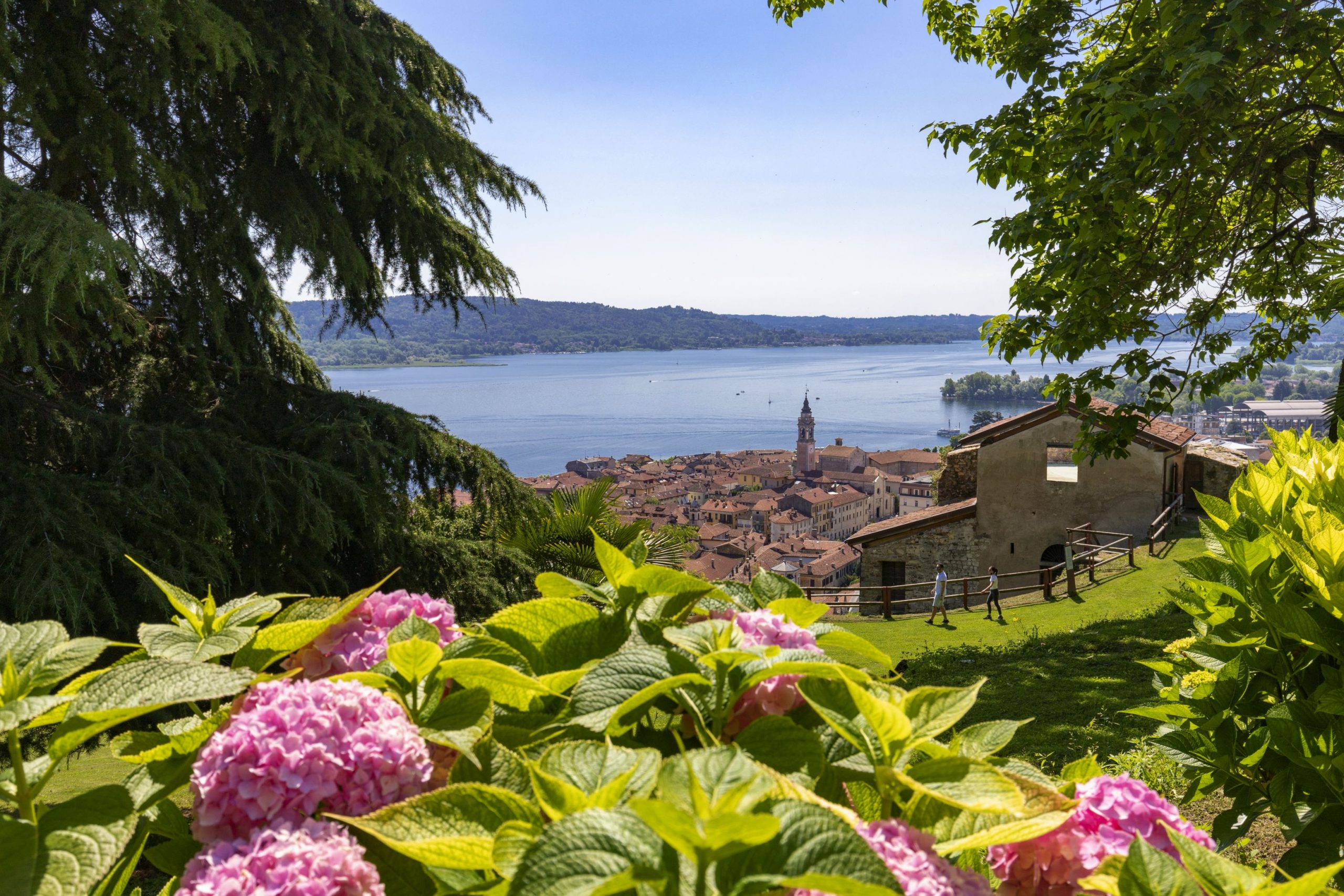
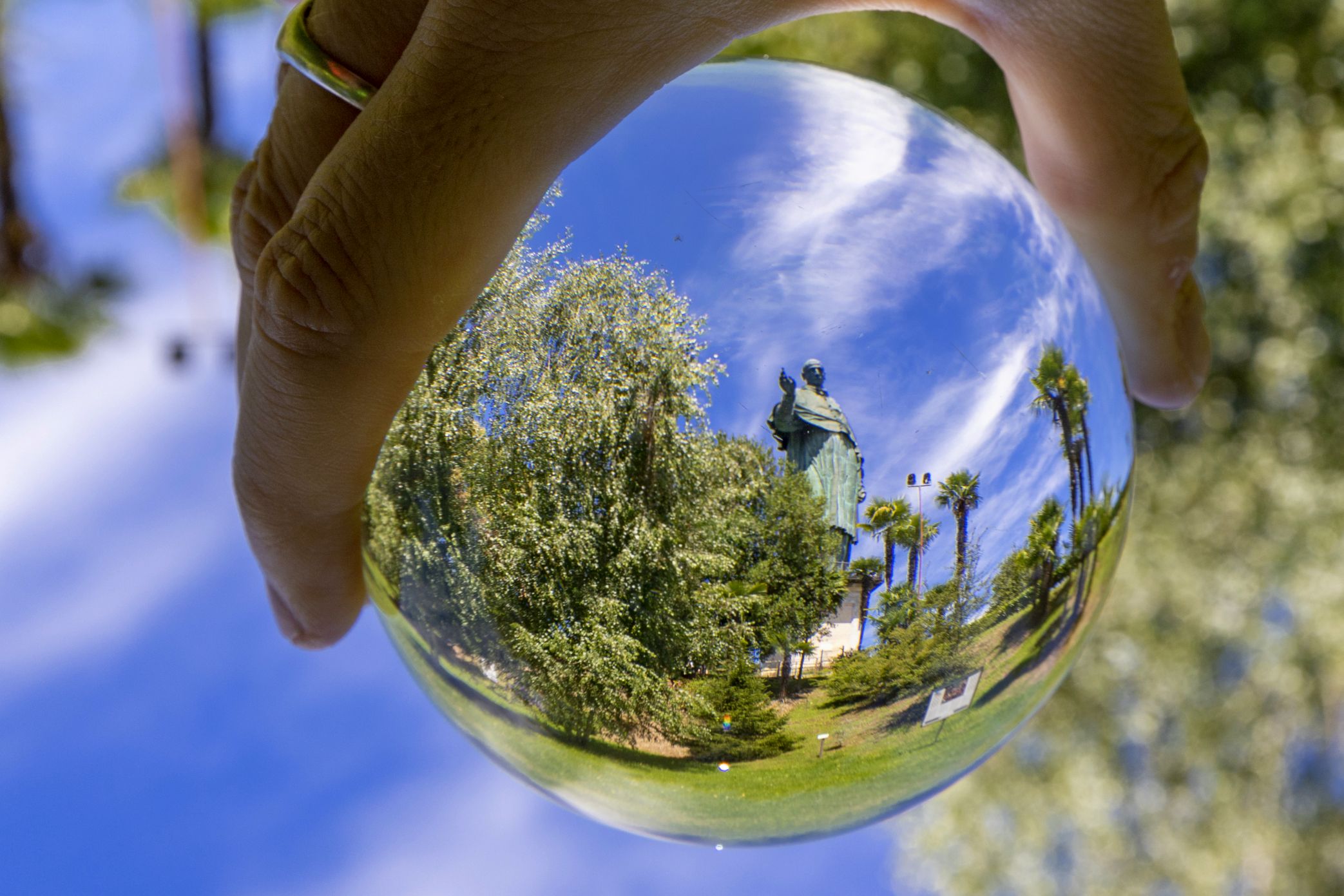
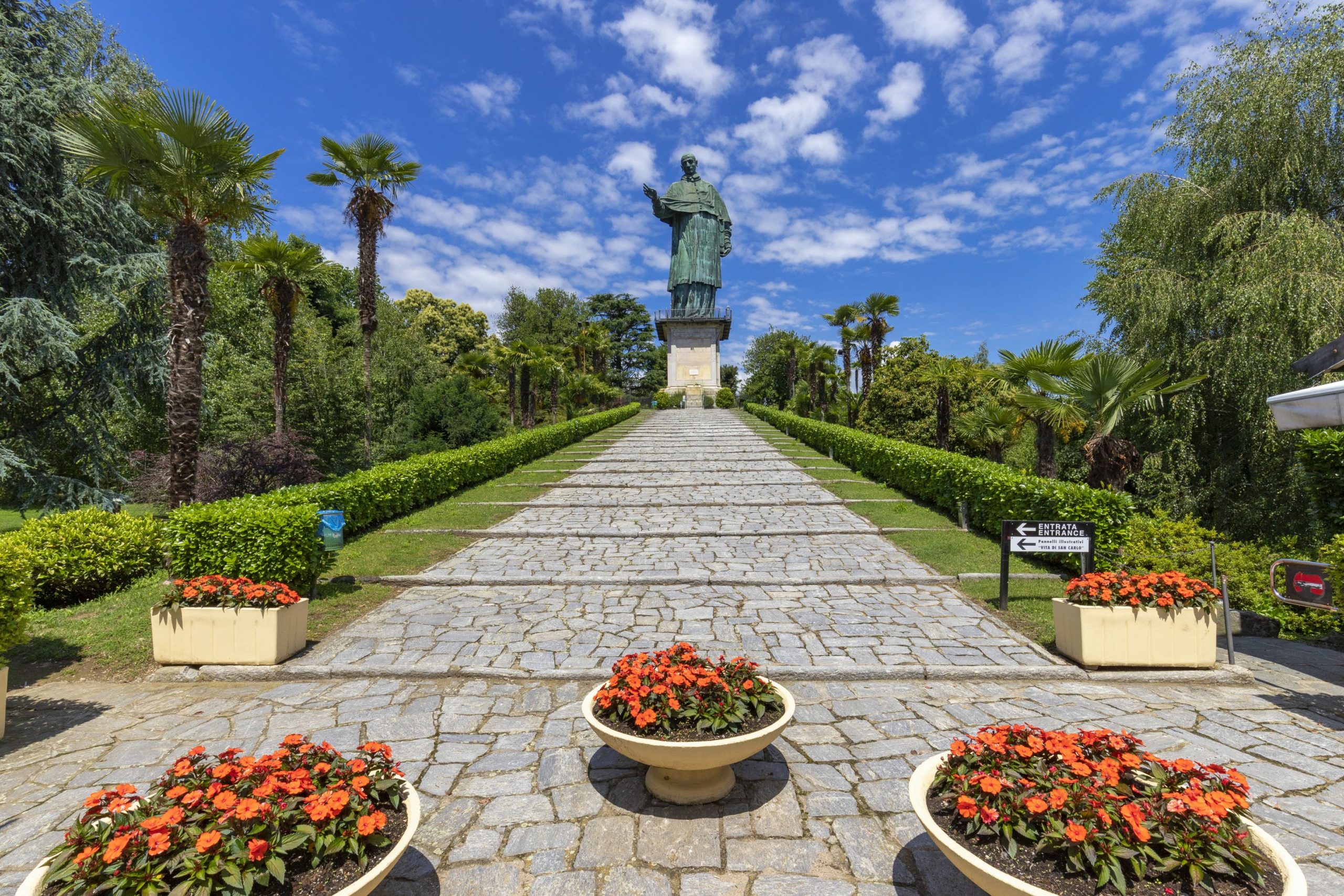
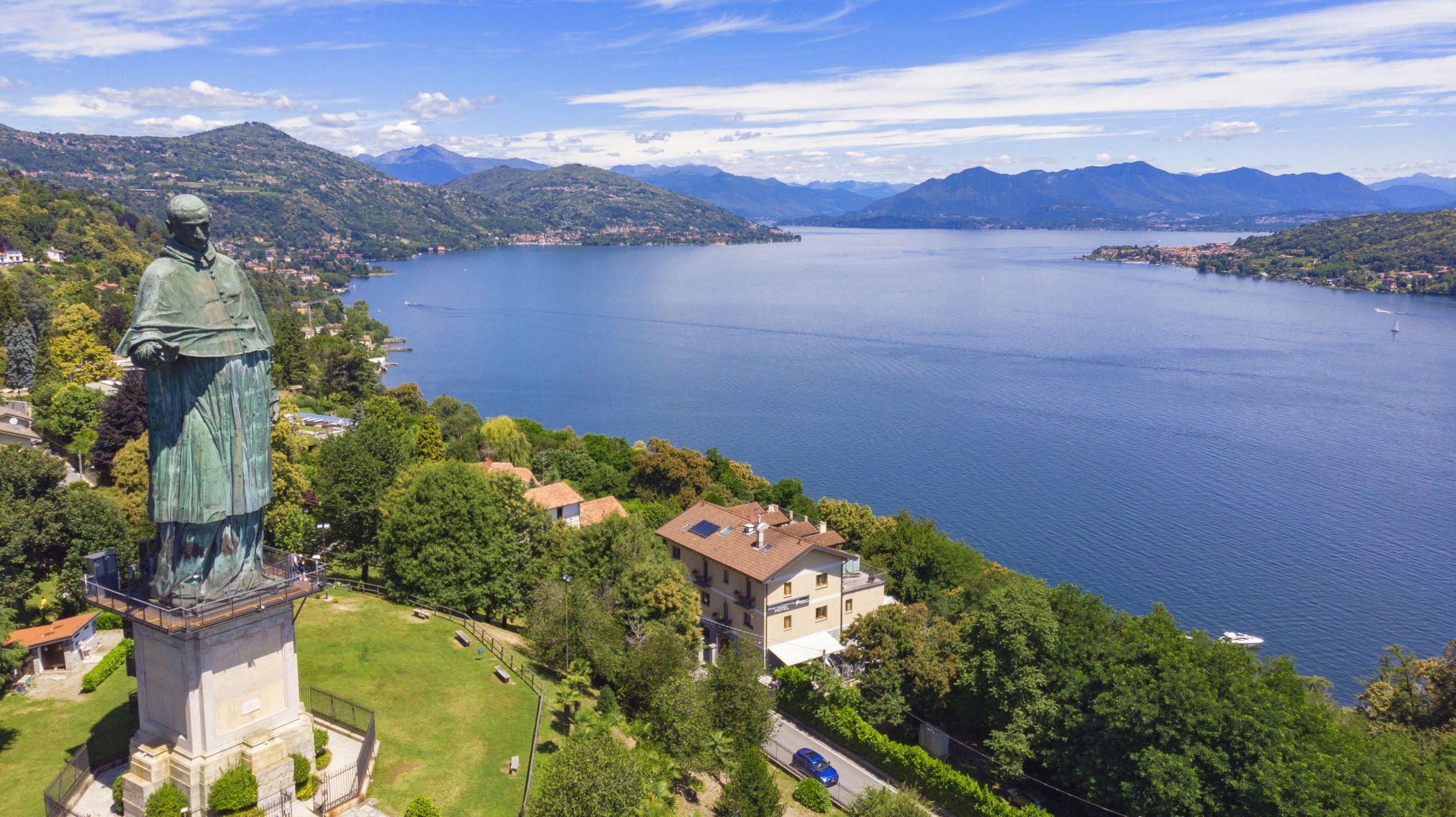
The trip starts in Arona, near the colossus of San Carlo, more commonly known as “San Carlone“. We go towards Dagnente and Meina, and after a certain distance on the road for Montrigiasco, we turn off in near the locality of Campagna and travel through the dense woodlands to reach the lakes of San Carlo.
The journey continues to the Church of Sant’Eufemia in Paruzzaro, and then on to Invorio, which is considered the “gate to Vergante” thanks to its central position between the lakes Cusio and Verbano. After leaving the town, we follow the provincial road that leads to the upper Vergante area and on dirt roads through dense vegetation we reach Monte Barro, where we can admire the ancient medieval village and small church dedicated to Santa Maria Annunziata (St. Mary of the Annunciation).
From here, we return by the same road and then go north, on a path with slight rises and drops on the east side of Mount Motto Alto. After this part, the trail turns into a mule path that descends towards the end of the river Agogna and reaches Ameno.
After crossing the bridge that connects Ameno to its hamlets beyond the Agogna River, the road continues to the small valley of the Membra Creek. We keep to the right bank of the Agogna until we reach the Special Natural Reserve of Monte Mesma, where the path becomes wilder, in close contact with the vegetation. Once on the provincial road from Bolzano Novarese, we continue along the devotional path that rises up toward the top of the hill, where there are many chapels. A series of turns brings the pilgrims to the tops of Monte Mesma, where we reach the convent and church, both seventeenth century architecture, run by Franciscan Friars.
From Monte Mesma, the path descends along the Via Crucis (Way of the Cross) that leads up to the provincial road of Bolzano Novarese and Miasino: after a short stretch of this road, we enter the path that leads to Lortallo, a hamlet in the Ameno municipality, and continues on to the meet the road that runs from Gozzano to Miasino.
We continue along the “pedestrian street of Prisciola”, to reach Legro, a hamlet in the Municipality of Orta. Its impressive frescoed houses have caused it to become one of “Italy’s painted villages“.
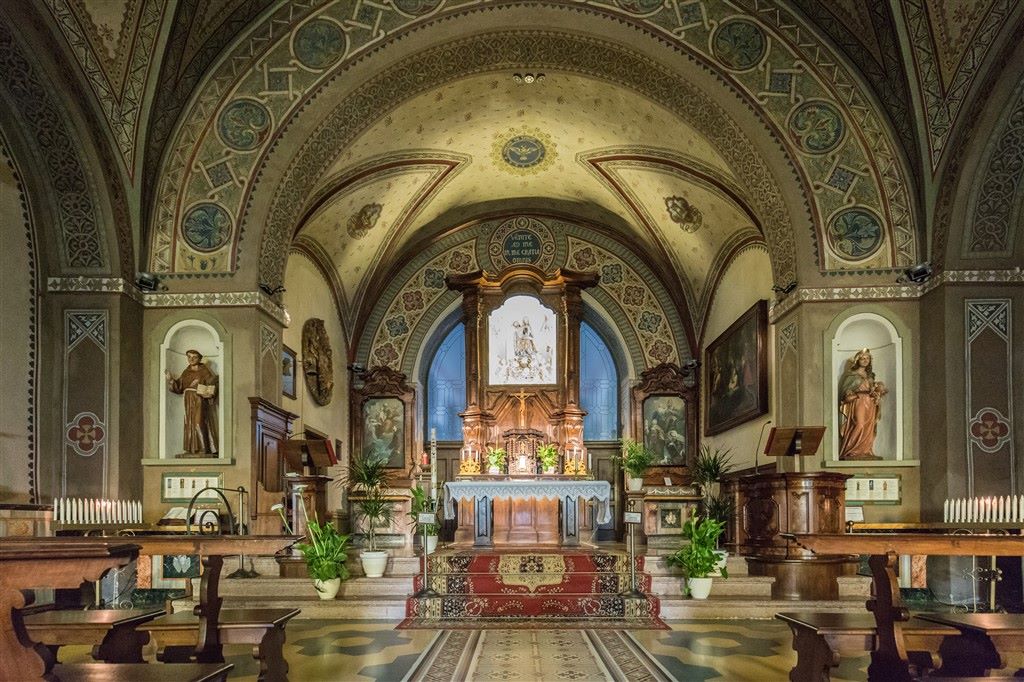
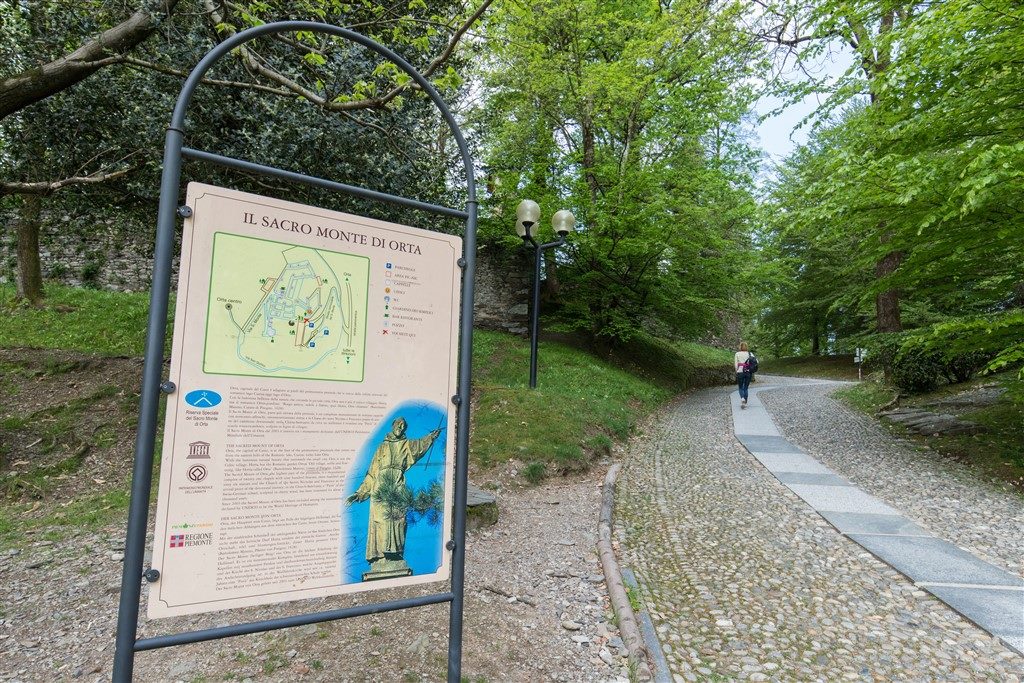
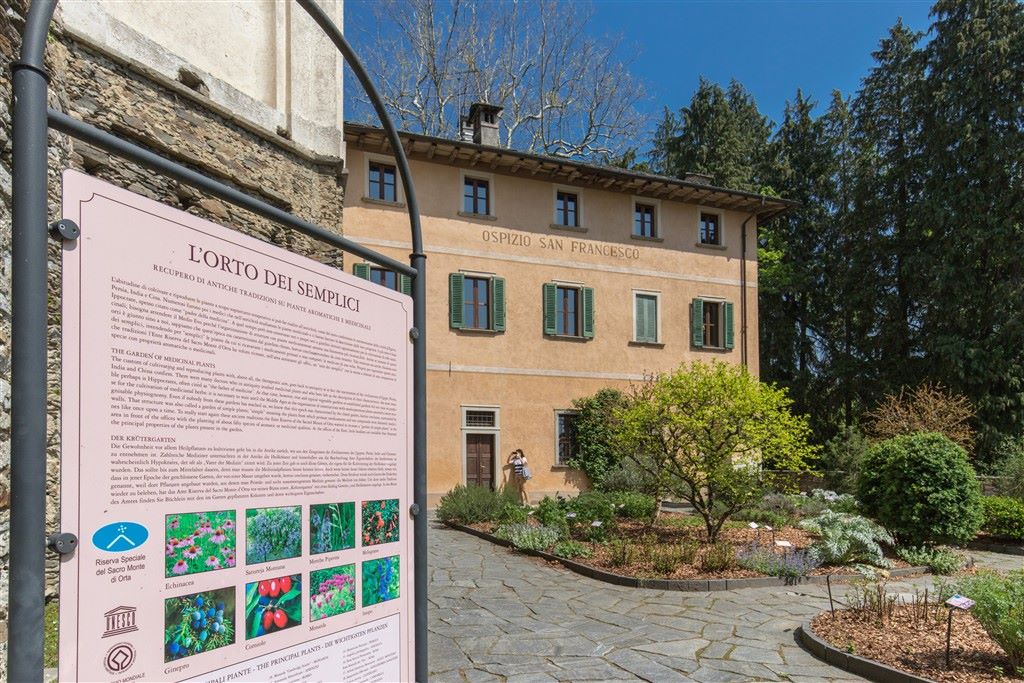
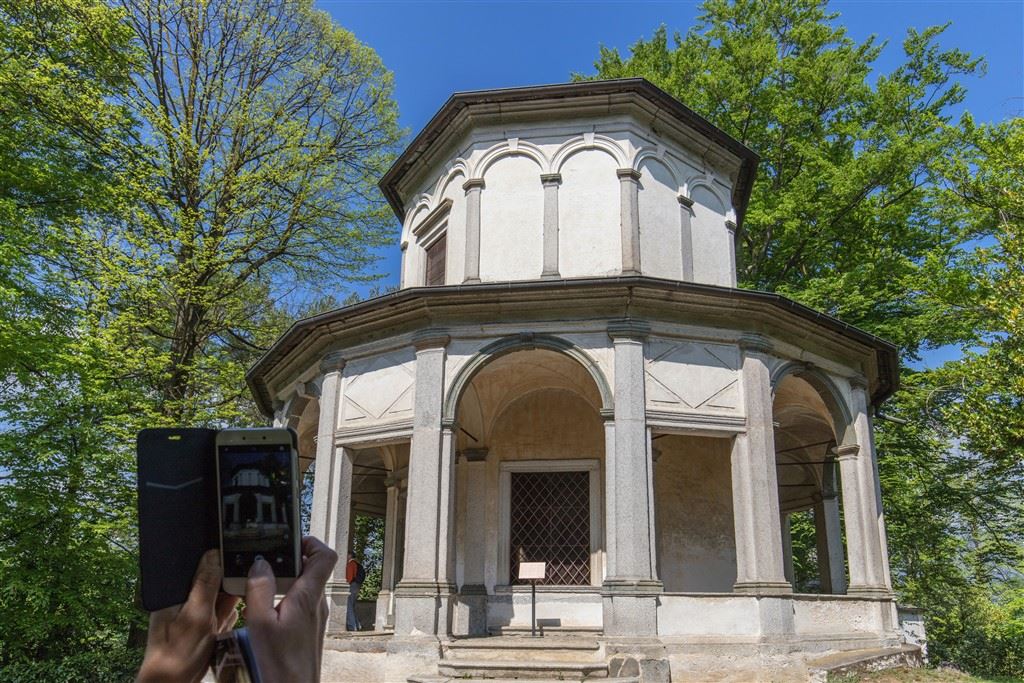
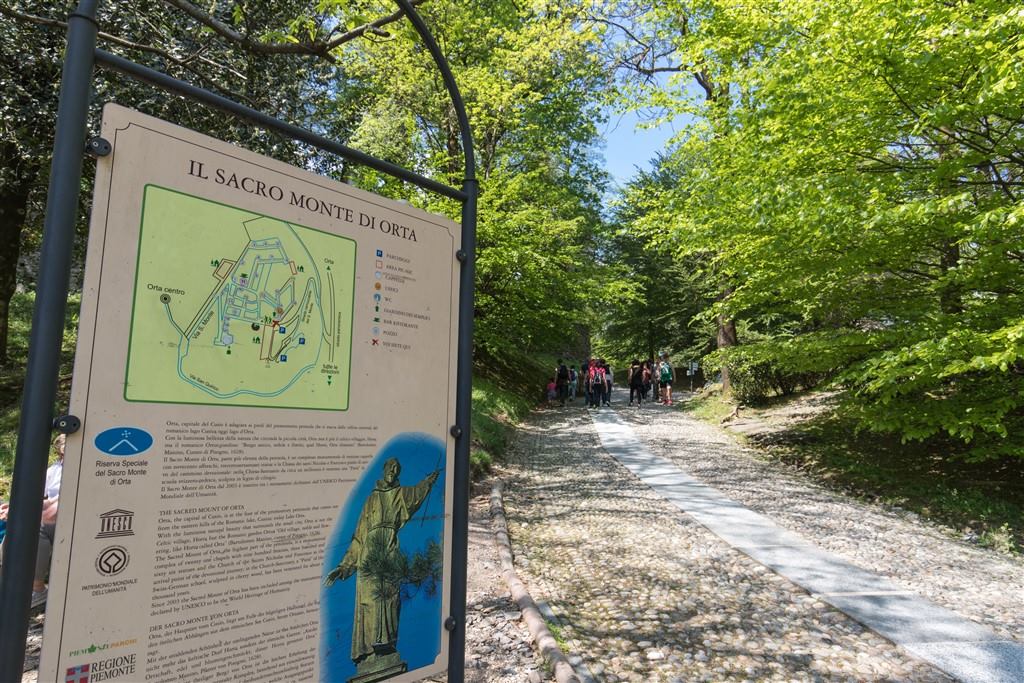
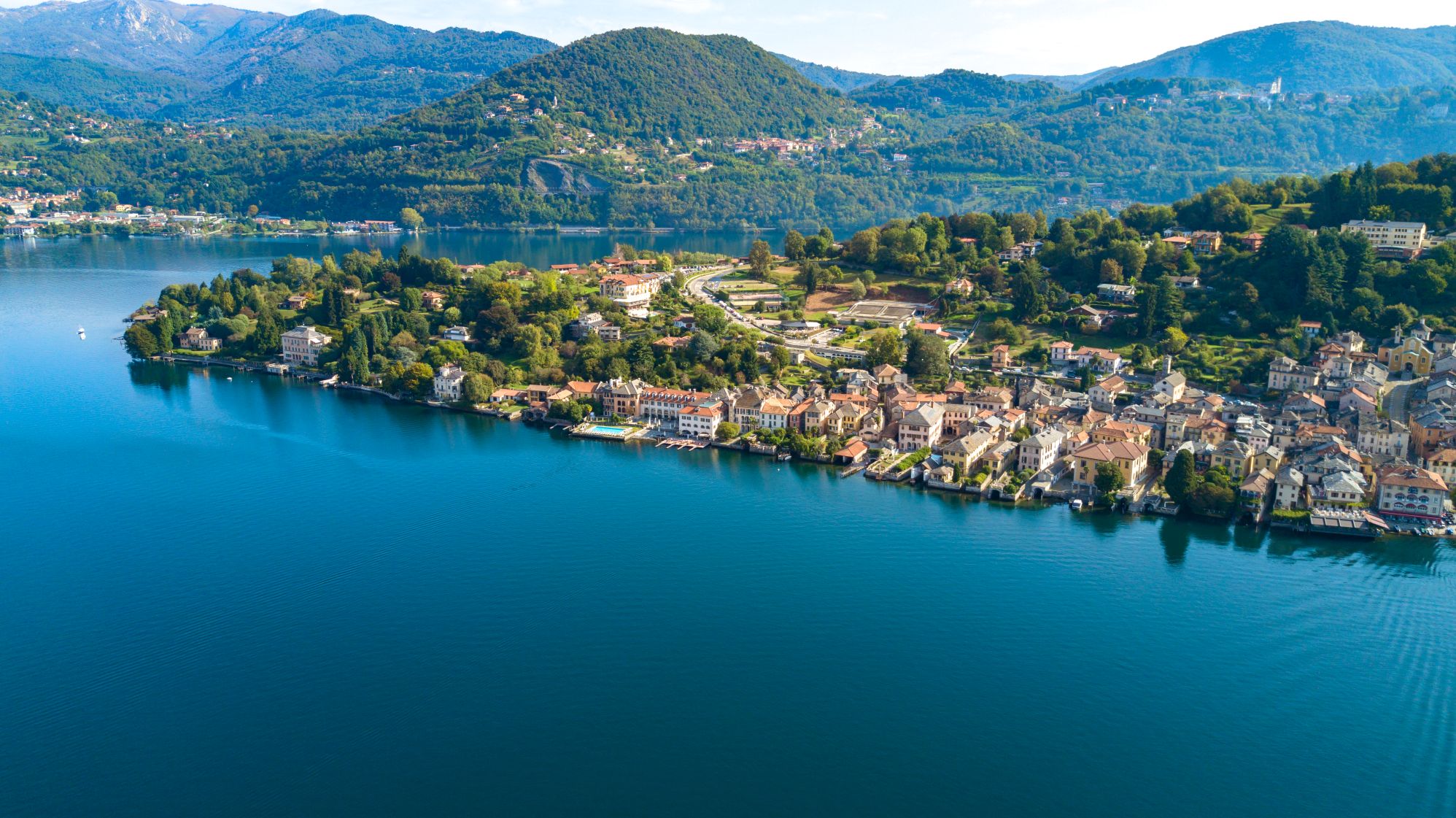
After leaving this lovely village, the journey leads to Orta on a pedestrian path that passes underneath the railway. Upon arrival in the suggestive town of Orta, we go towards the Sacro Monte devotional complex dedicated to the life of St. Francis of Assisi.
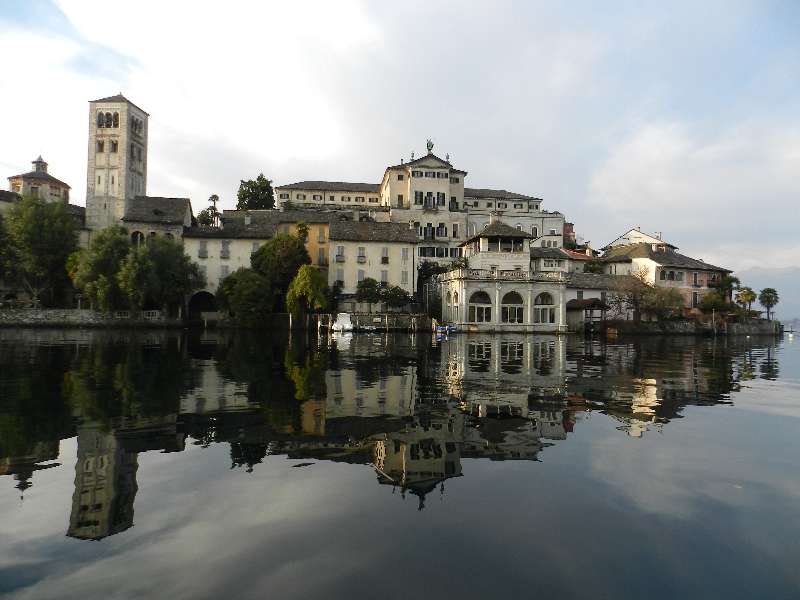
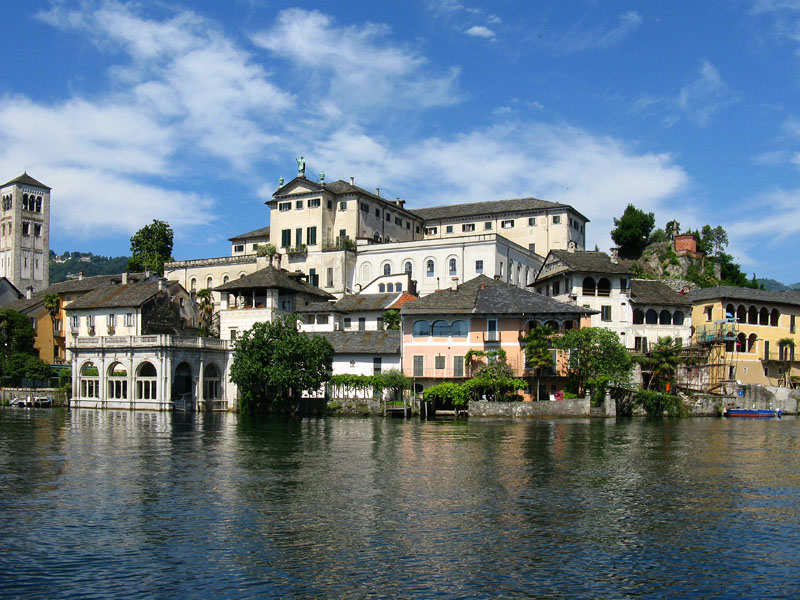
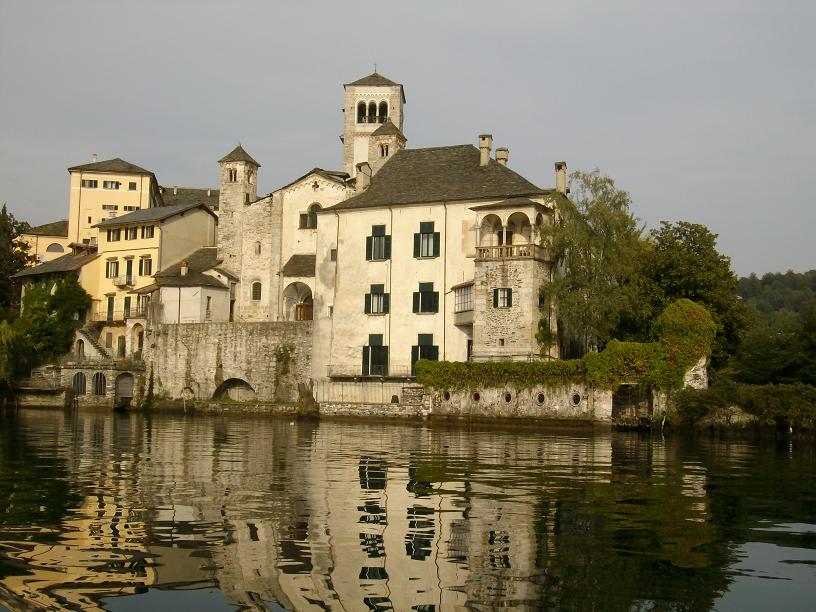
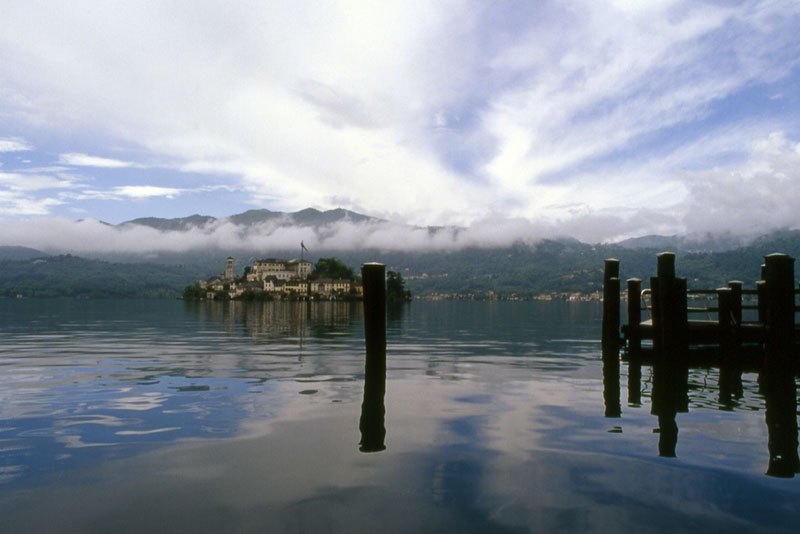
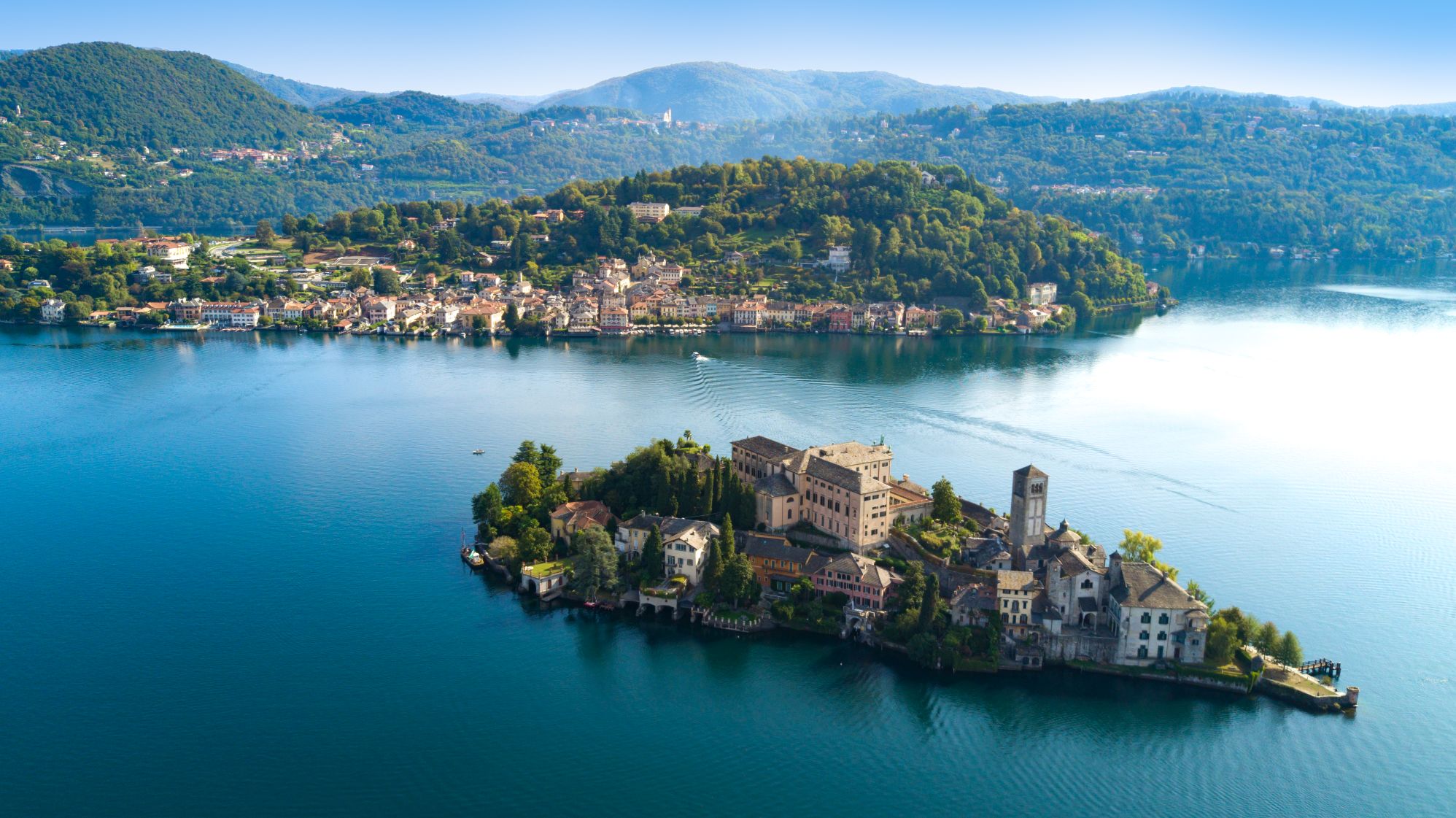
The journey descends on a beautiful paved road towards Piazza Motta, from which boats are available to reach San Giulio Island and the Benedictine abbey Mater Ecclesiae. The final leg of this journey takes place on the western shore of the Lago d’Orta, leading up to the village of Pella.
POINTS OF INTEREST
Arona
Chiesa dei SS Martiri (Chiesa di San Graziano)
Collegiata della Natività di Maria Vergine
Chiesa di Santa Maria di Loreto (Chiesa di Santa Marta)
Colosso di San Carlo
Parco dei Lagoni di Mercurago
Civico Museo Archeologico
Civico Museo Mineralogico
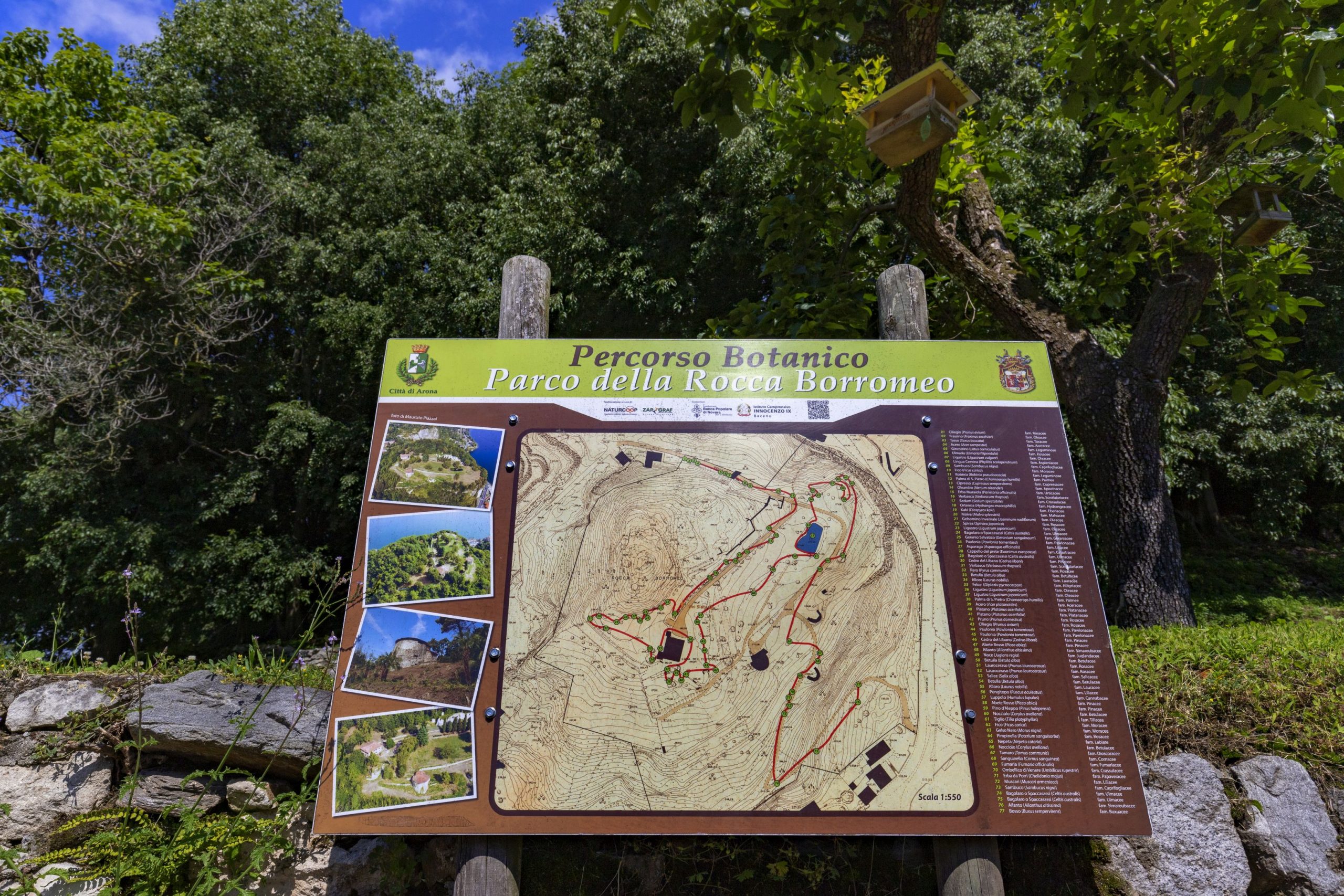
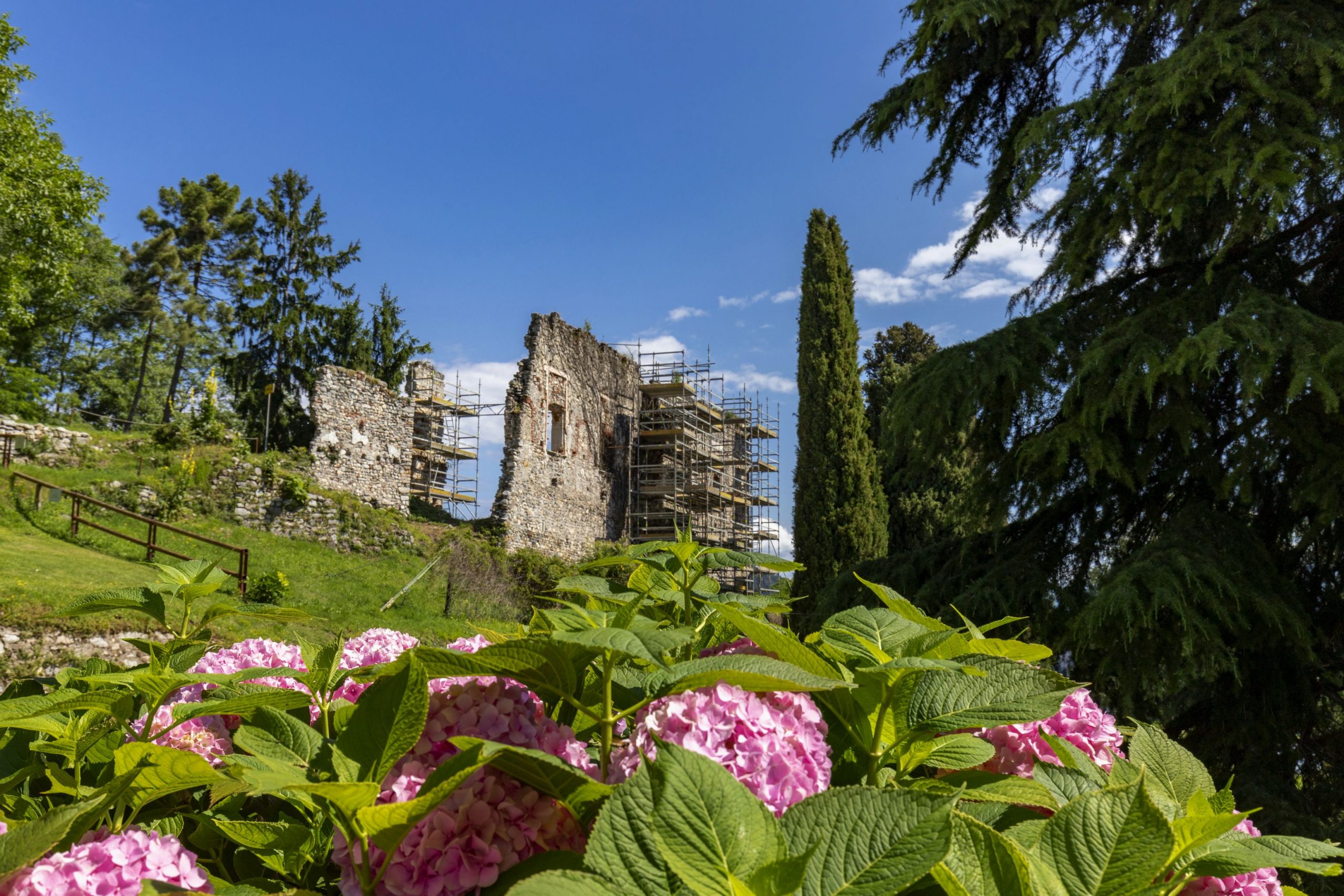
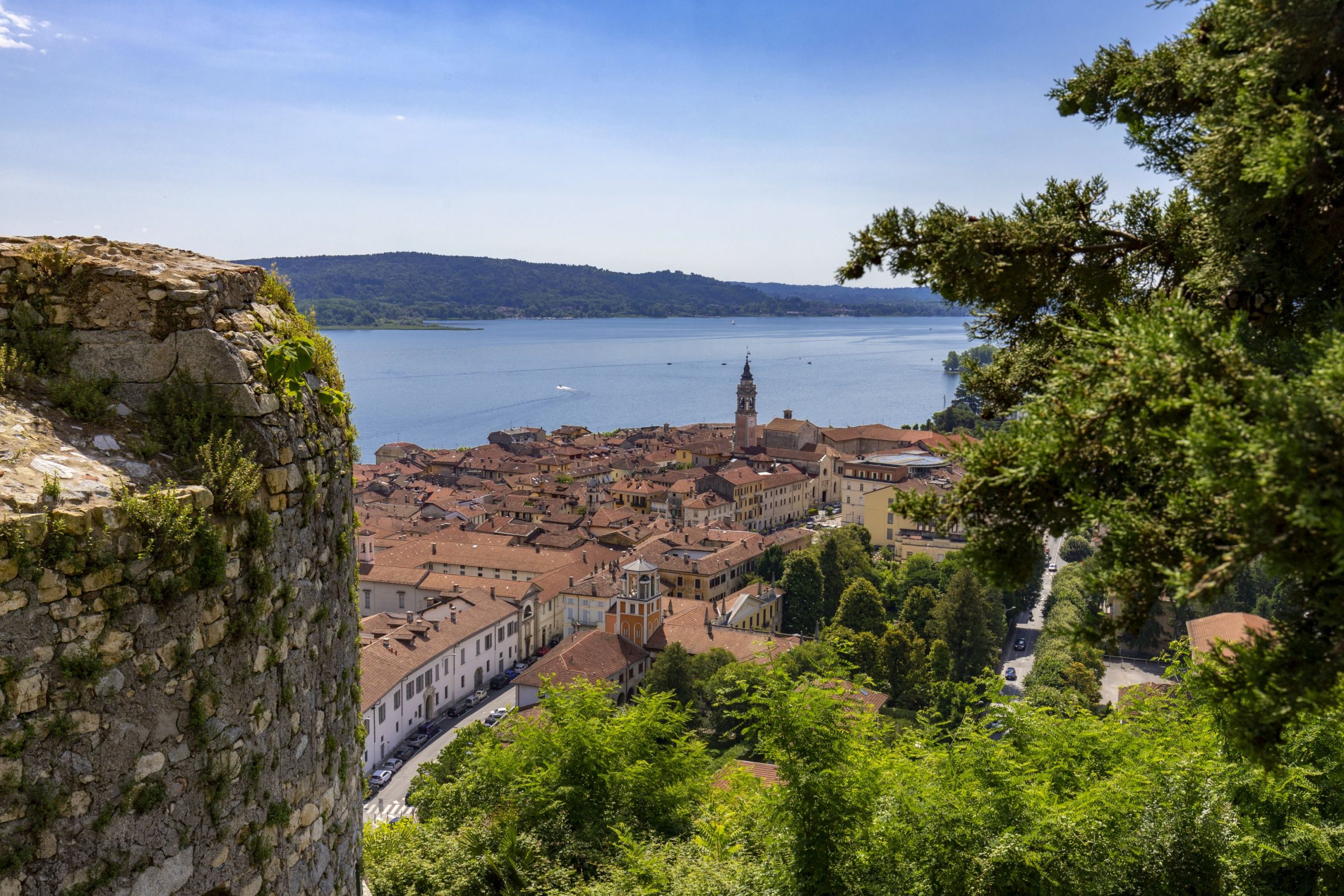
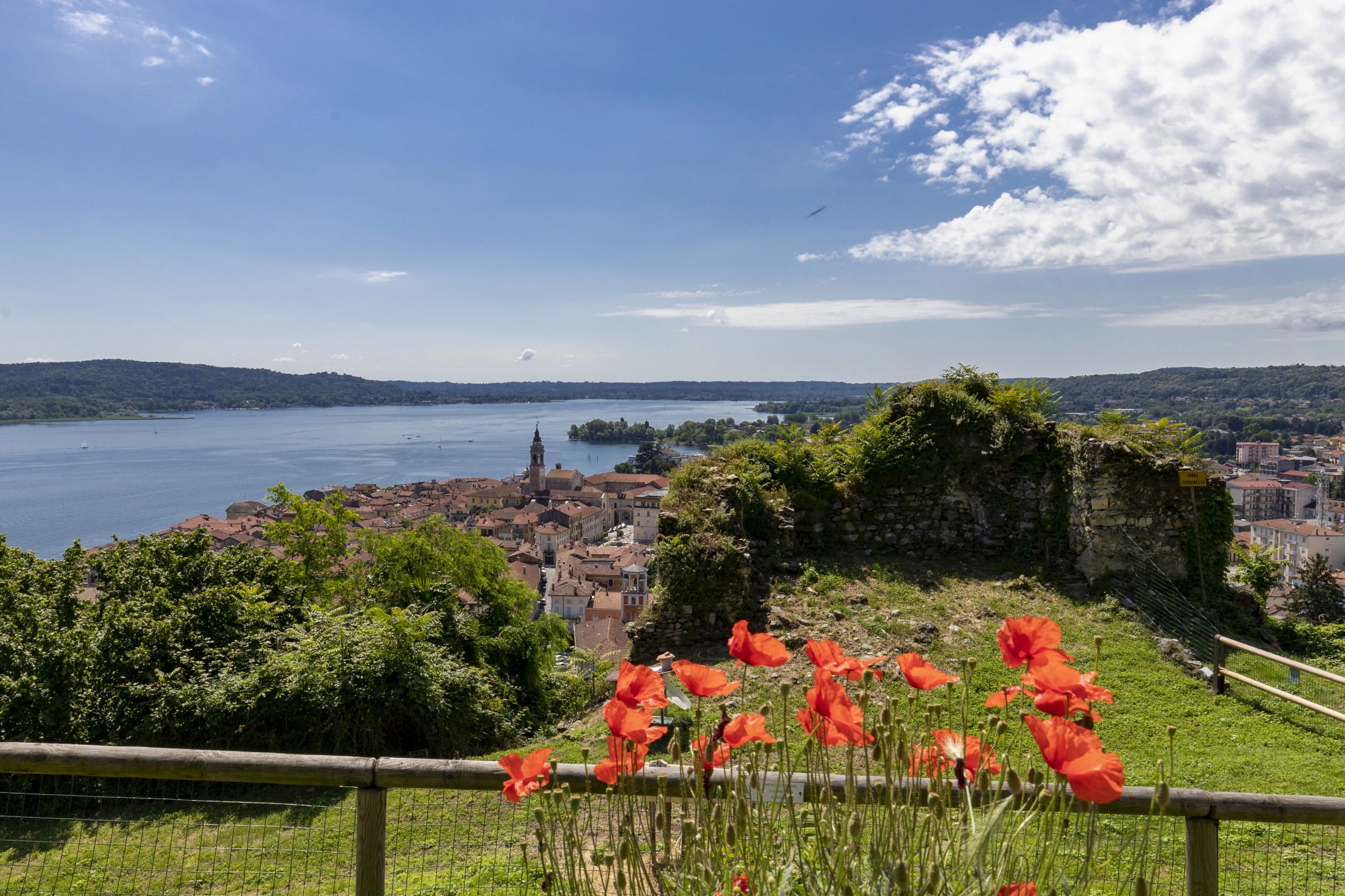
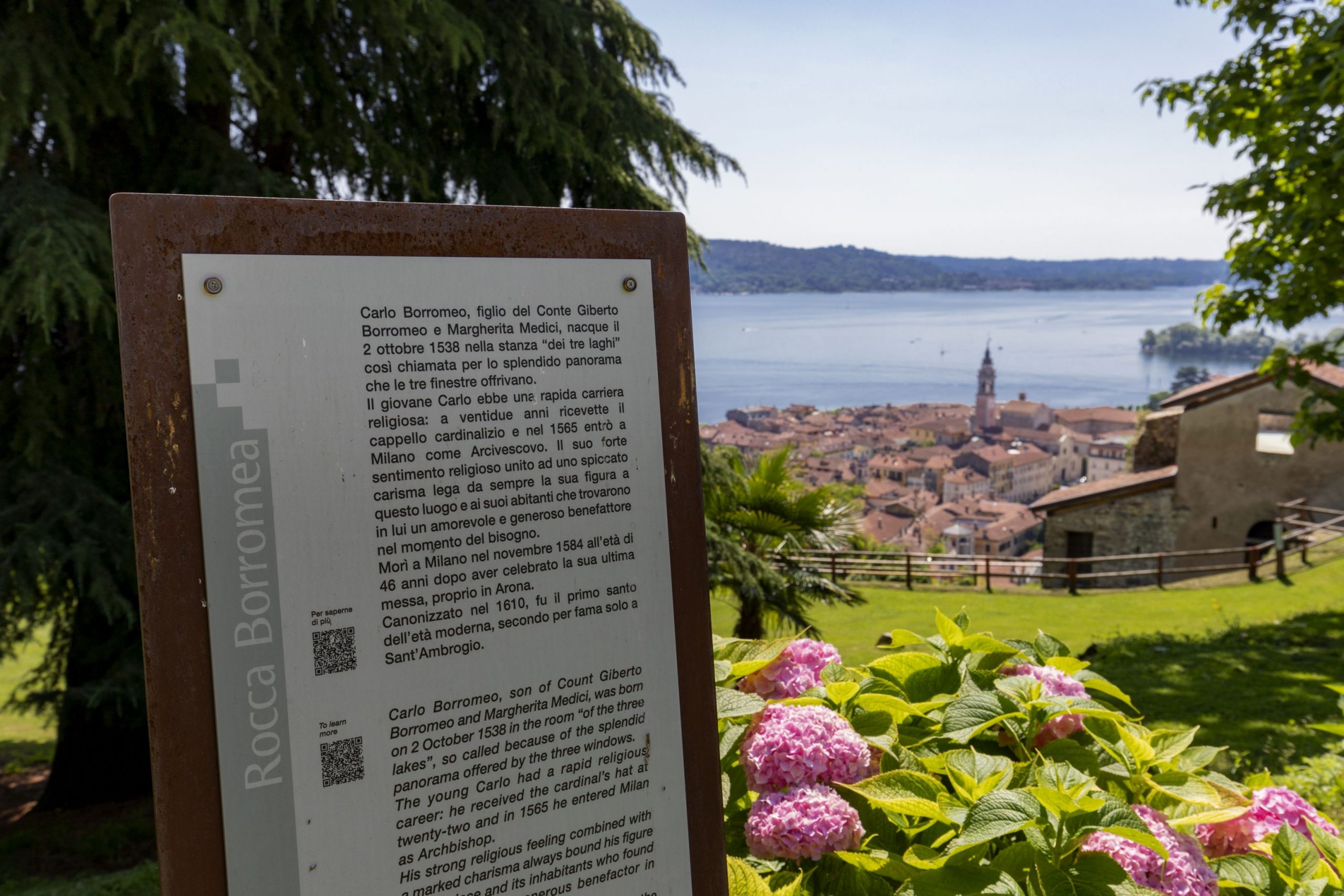
Rocca borromea
Piazza del Popolo
Invorio
Torre viscontea
Parrocchiale di San Giacomo (Inv. sup)
Parrocchiale di San Pietro e Paolo
Lortallo (frazione di Ameno)
Torre medievale
Orta
Borgo
Sacro Monte
Palazzo della Comunità (o Broletto)
Chiesa Parrocchiale dell’Assunta
Villa Bossi
Villa Crespi
Isola San Giulio
Legro (fraz. Orta)
Borgo
Pella
Masso Coppellato
Torre Medioevale
Chiesa di San Defendente
Chiesa di San Filiberto
Chiesa Parrocchiale di San Giovanni Battista
Chiesa Parrocchiale di Sant’Albino
Oratorio di San Giulio
TECHNICAL NOTES
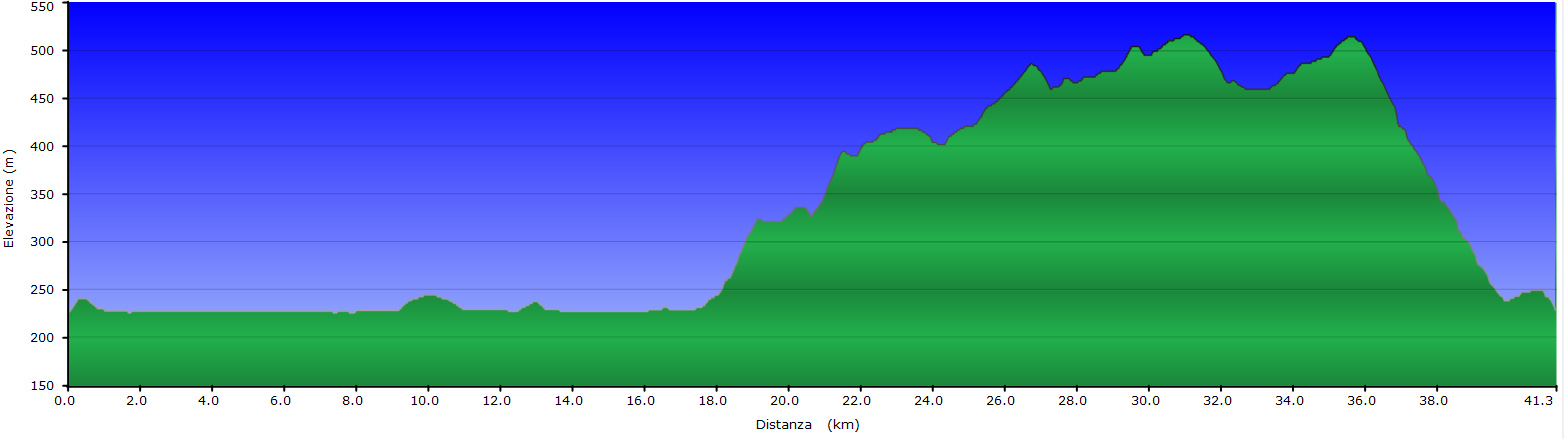
LEGS: the entire distance is recommended in 1 leg, (22 km)
DIFFERENCE IN ELEVATION: lowest altitude of the itinerary, 200 m a.s.l.; highest, 470 m a.s.l. See the map.
DURATION: from 3 to 6 hours for each leg
TYPE OF PATH: Excursion – MAINLY DIRT ROADS
FACILITIES
STRUTTURE RICETTIVE
FOR MORE DETAILS
http://www.statuasancarlo.it
www.lagodorta.net
http://www.orta.net/sacromonte/
http://www.sacromonte-orta.com
Back to the list of routes
From Cannobio to Re
FROM LAKE MAGGIORE TO VIGEZZO VALLEY THROUGH CANNOBINA VALLEY
Lago Maggiore
Route description
Itinerary Description
The itinerary – known as the “Via Borromea” – traces the route that San Carlo Borromeo travelled in 1574 for his pastoral visit to the Pieve of Cannobio.
The path connects the Sanctuary of the Madonna della Pietà of Cannobio with the Sanctuary of the Madonna di Re, passing through the most beautiful parts of the Cannobina Valley.
Many of the tracks of this itinerary are also part of other paths of great regional and national interest, such as “Camminaitalia” and the Great Crossing (Grande Traversata: GTA) of the Piedmont Alps.
From the lakefront, the path passes through the centre of Cannobio, until it reaches the Sanctuary of the Madonna della Pietà. Then we leave the pleasant shores of lake and take bike trail that runs alongside the Cannobino River. We follow that until we get to Traffiume andOrrido di Sant’Anna, to then delve into the mountain area of the Cannobina Valley.
The historical road, marked with small devotional chapels along the way, is almost entirely preserved: most of the itinerary retraces the same road that San Carlo Borromeo used during his visit to the Pieve of Cannobio.
The entire itinerary, dedicated to the saint and also known as the “Circuit of San Carlo“, is the first road network documented in the Cannobina Valley.
We continue, therefore, by taking the mule track that runs from Traffiume to Cavaglio: along this stretch, two small shrines recall the episode of Borromeo falling off his mule. He miraculously escaped unharmed.
After Cavaglio, we turn west and find ourselves at the panoramic position of the oratory of S. Maria delle Grazie: we then continue toward the hamlet of Nivetta.
From here, a small detour toward Gurrone lets us retrace the legs of the Via Borromea exactly in the right order, and we go through Spoccia, Orasso, Cursolo, Finero and Re.
The itinerary proceeds instead towards Lunecco and Ponte Falmenta, which marked the border of the Republic of Ossola, 10 September – 14 October, 1944.
From here, the trail ascends on a cobblestone pavement to Crealla, a town surrounded by traditional chestnut woods and reachable by car only since 2001. This isolation has made it possible to preserve the original nucleus of the village and the local architecture.
After leaving Crealla, we ascend on a winding tiered path to Falmenta, where the Church dedicated to San Lorenzo stands on the panoramic terrace.
The path meanders along a beautiful mule track until we reach Gurro. Continuing westerly, we travel up the trail passing small chapels and rural buildings with votive paintings. In a short time, we get to the Square and then descend rapidly into the valley of Rio Calagno.
When we reach Daila, a small pasture refuge that is still partially used, we go back up to Provola and then to Finero, we cross the Crèves river, which marks the administrative border between Vigezzo Valley and Cannobina Valley.
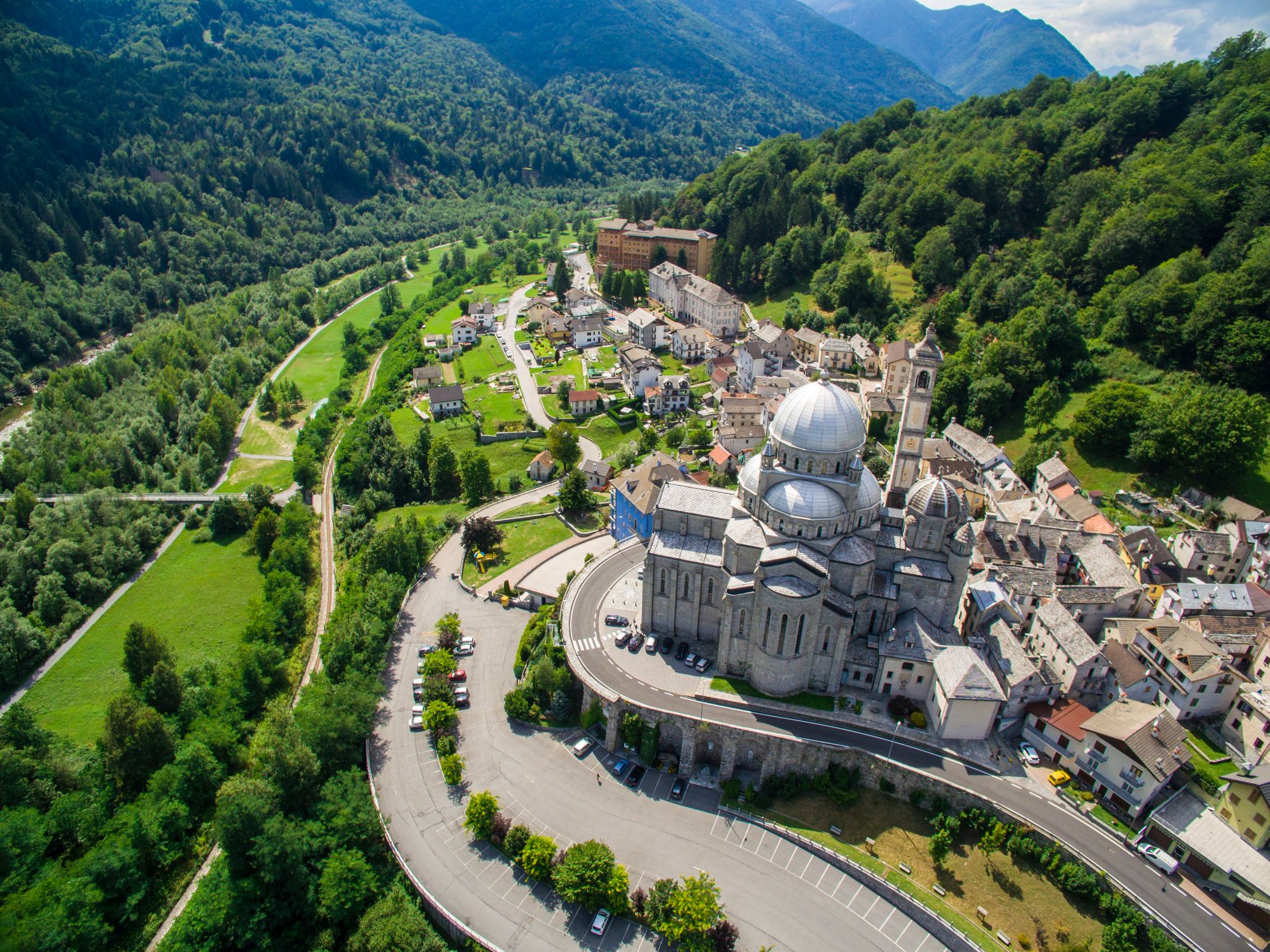
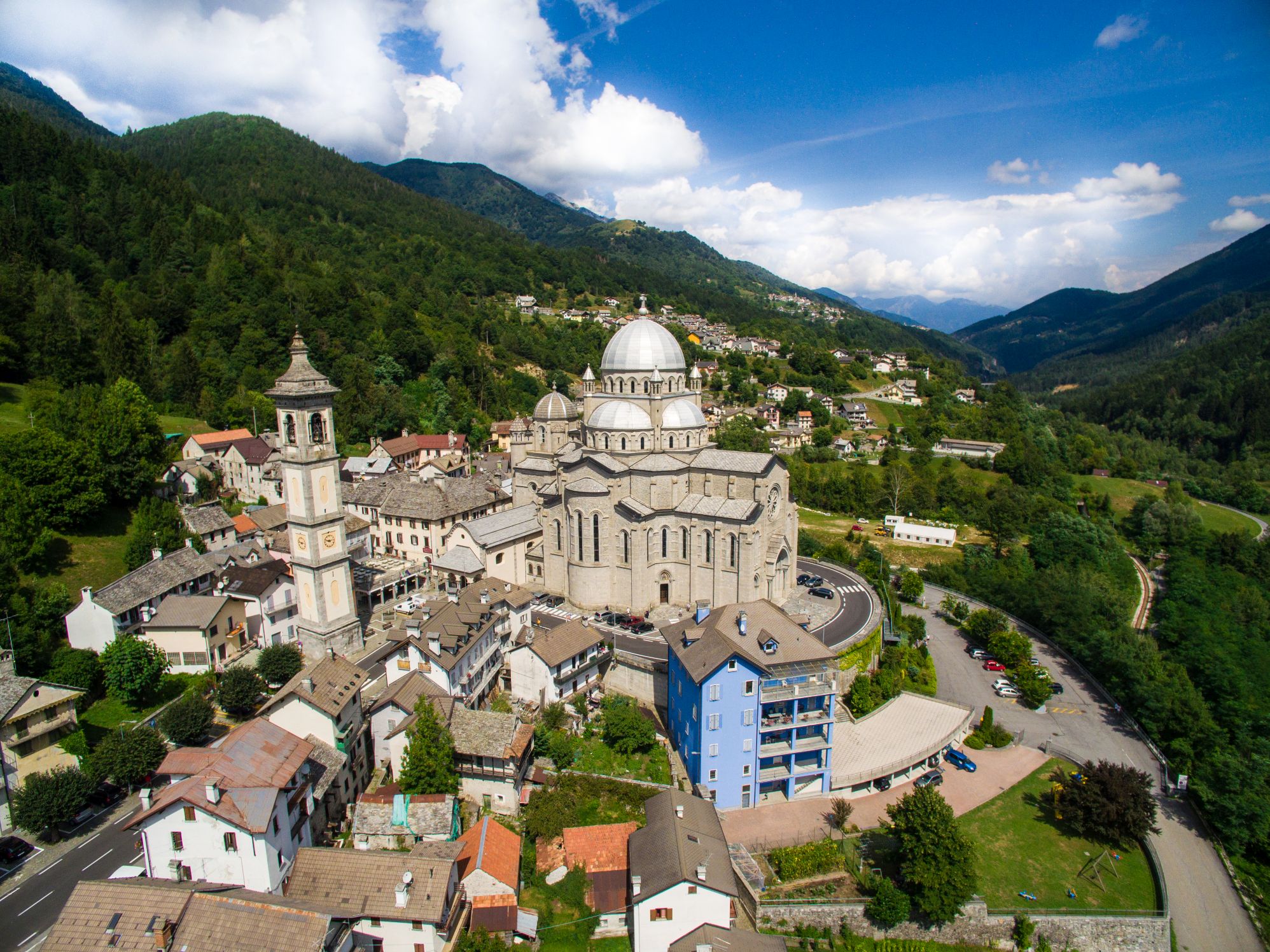
After leaving the village of Finero, the path continues as we discover the WWF Natural Oasis of Pian dei Sali, Passo Scopello and finally Re: here stands the Sanctuary of the Madonna del Sangue, the final stage of this itinerary.
POINTS OF INTEREST
Cannobio
Santuario della Madonna della Pietà
Collegiata di S. Vittore
Chiesa di S. Marta
Palazzo della Ragione
Casa Pironi
Borgo antico
Traffiume (fraz. Cannobio)
Chiesa di Santa Maria Purificatrice
Ponte romano
Orrido di Sant’Anna
Crealla
Antica “Grà”
Marcitoio
Falmenta
Chiesa di San Lorenzo
Antico torchio
Gurro
Museo etnografico
Casa di San Carlo
Antica “Grà”
Finero
Oasi naturale del WWF di Pian dei Sali
Re
Santuario della Madonna del Sangue
FACILITIES
STRUTTURE RICETTIVE
FOR MORE DETAILS
www.sentieridelverbanocusiossola.it
TECHNICAL NOTES
LEGS: the journey is recommended in 2 legs, from Cannobio to Falmenta (km 9.5), and from Falmenta to Re (km 9)
DURATION: from 3 to 6 hours for each leg
DIFFERENCE IN ELEVATION: lowest altitude of the itinerary, 200 m a.s.l.; highest, 1030 m a.s.l. See the map.
TYPE OF PATH: Excursion – MAINLY DIRT ROADS
Back to the list of routes
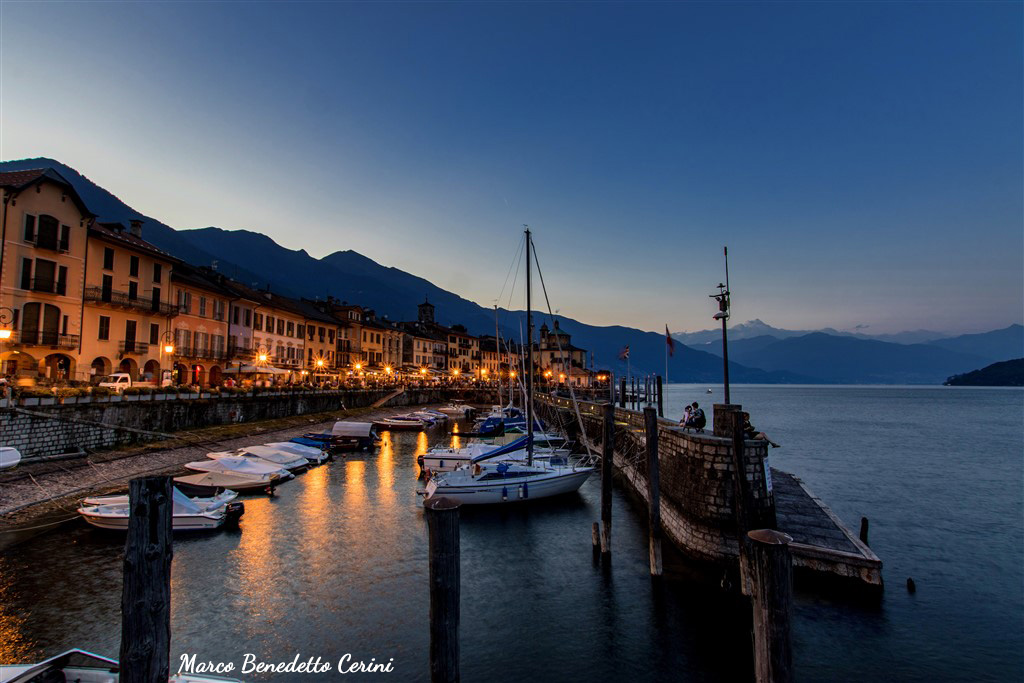
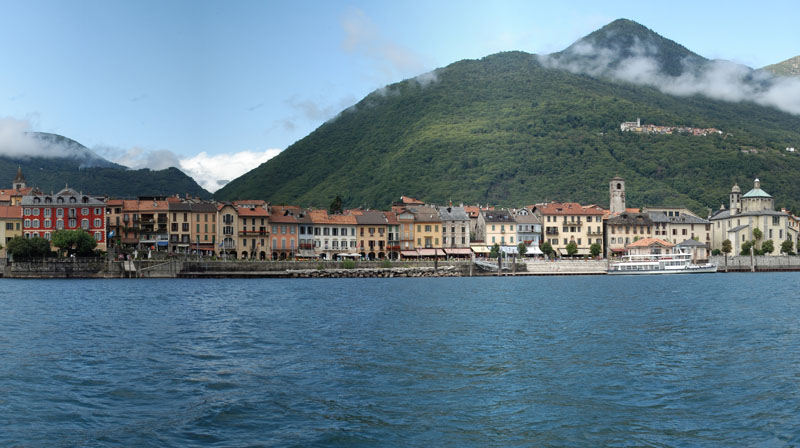
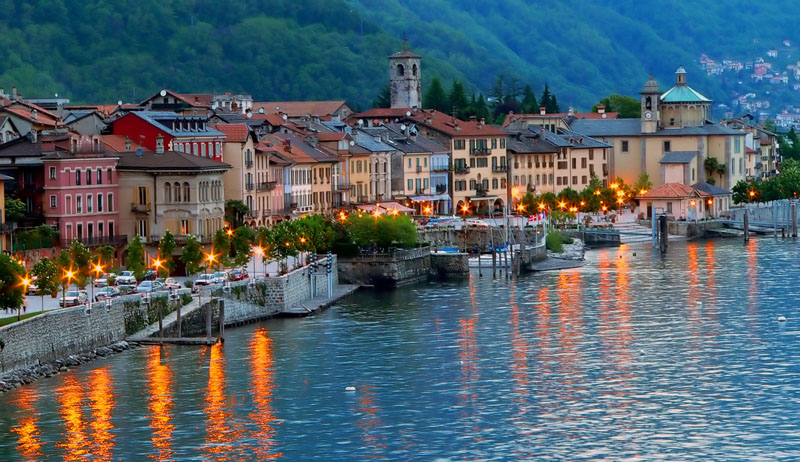
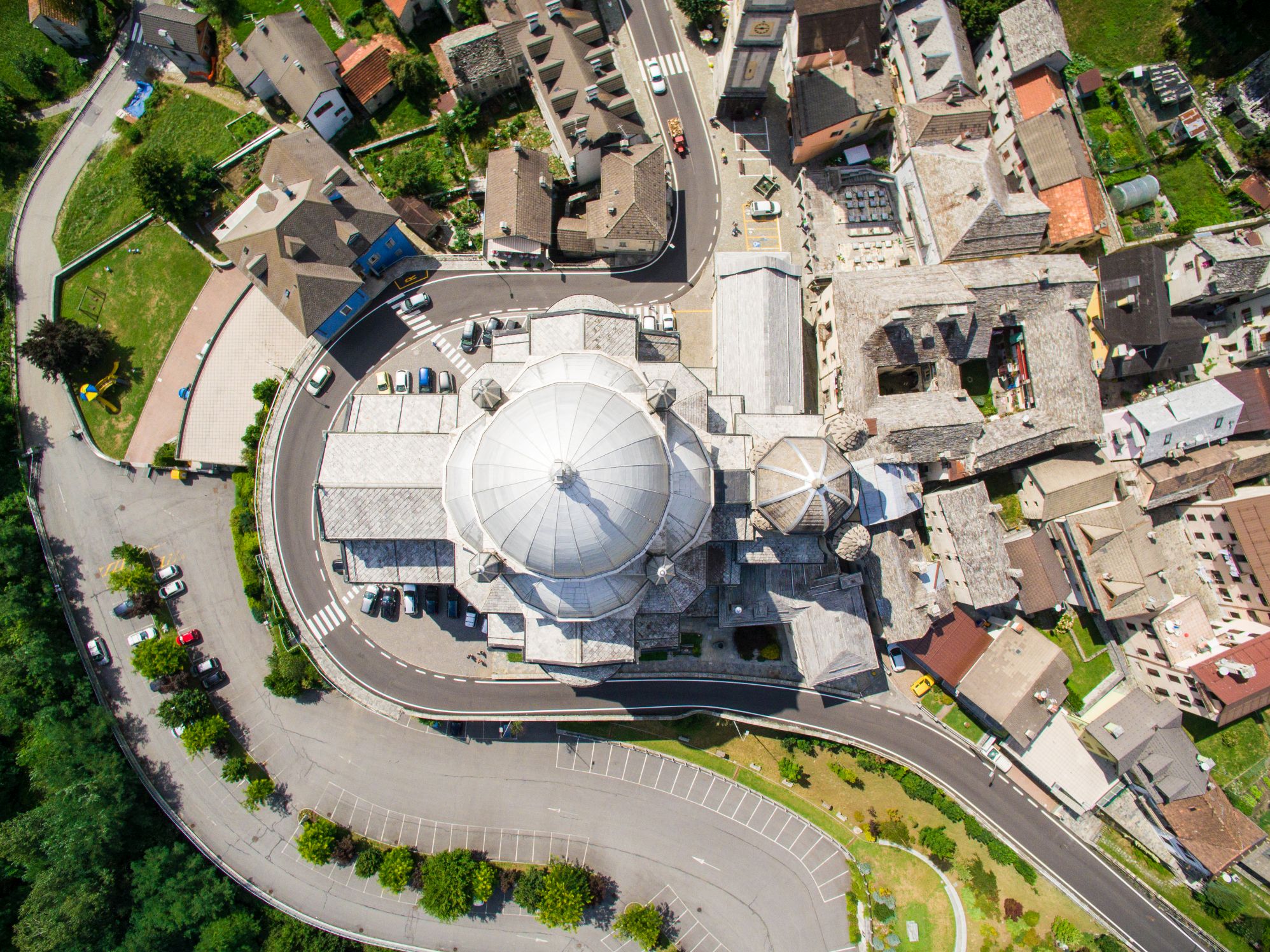
From Colloro, in the Val Grande National Park, to the oratory of Lut
PREMOSELLO – ALPE LUT: NEXT TO THE VAL GRANDE NATIONAL PARK
Val Grande
Route description
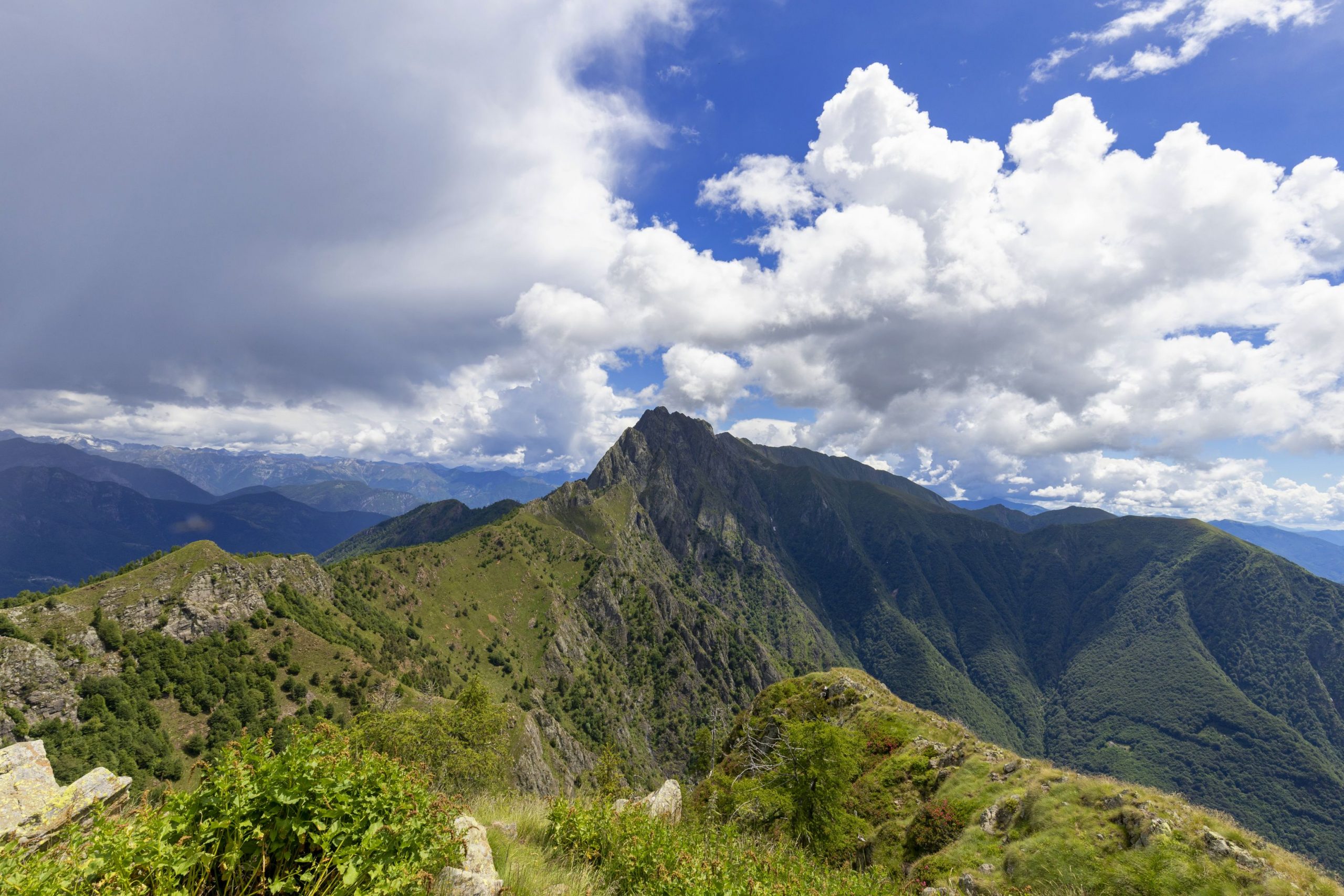
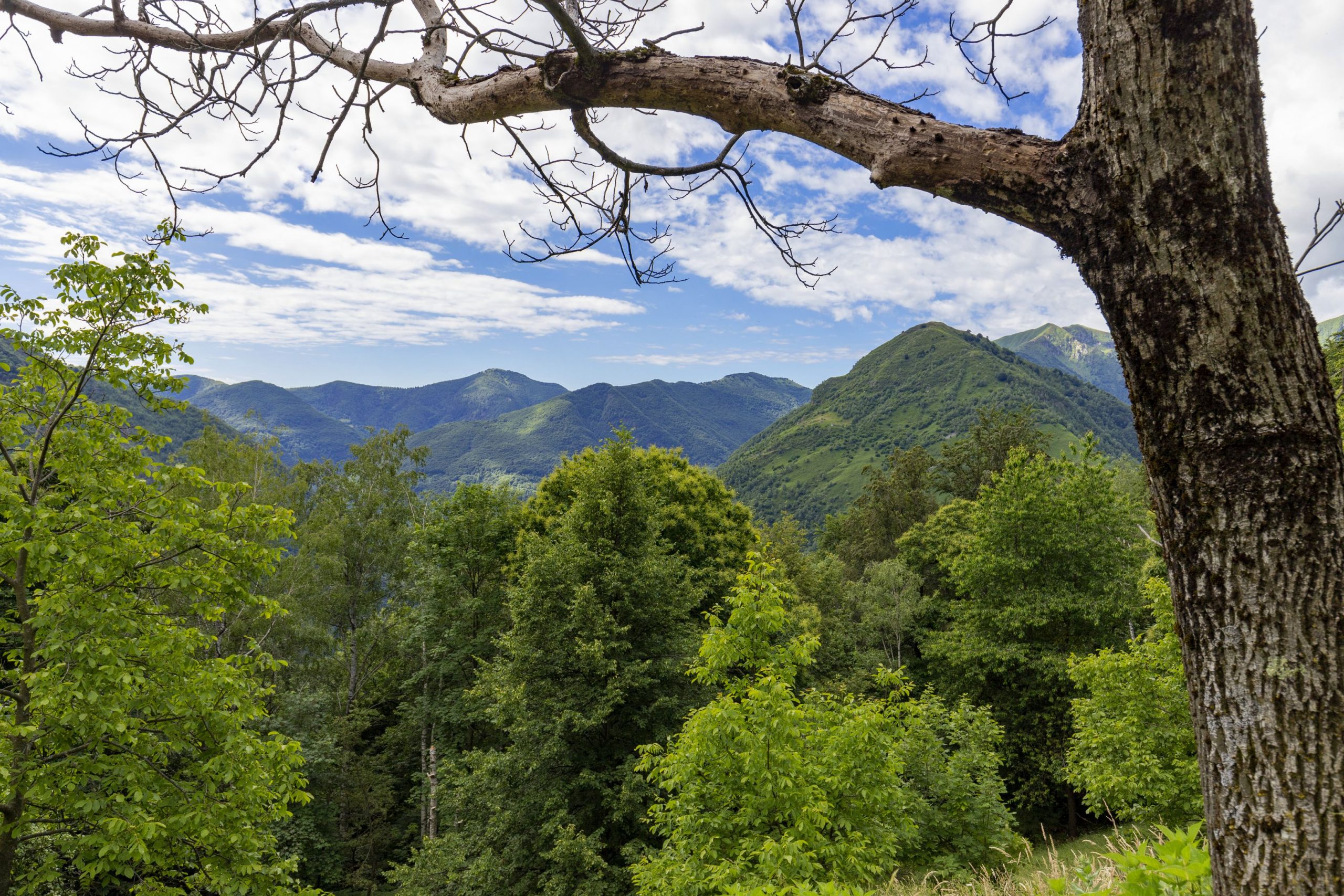
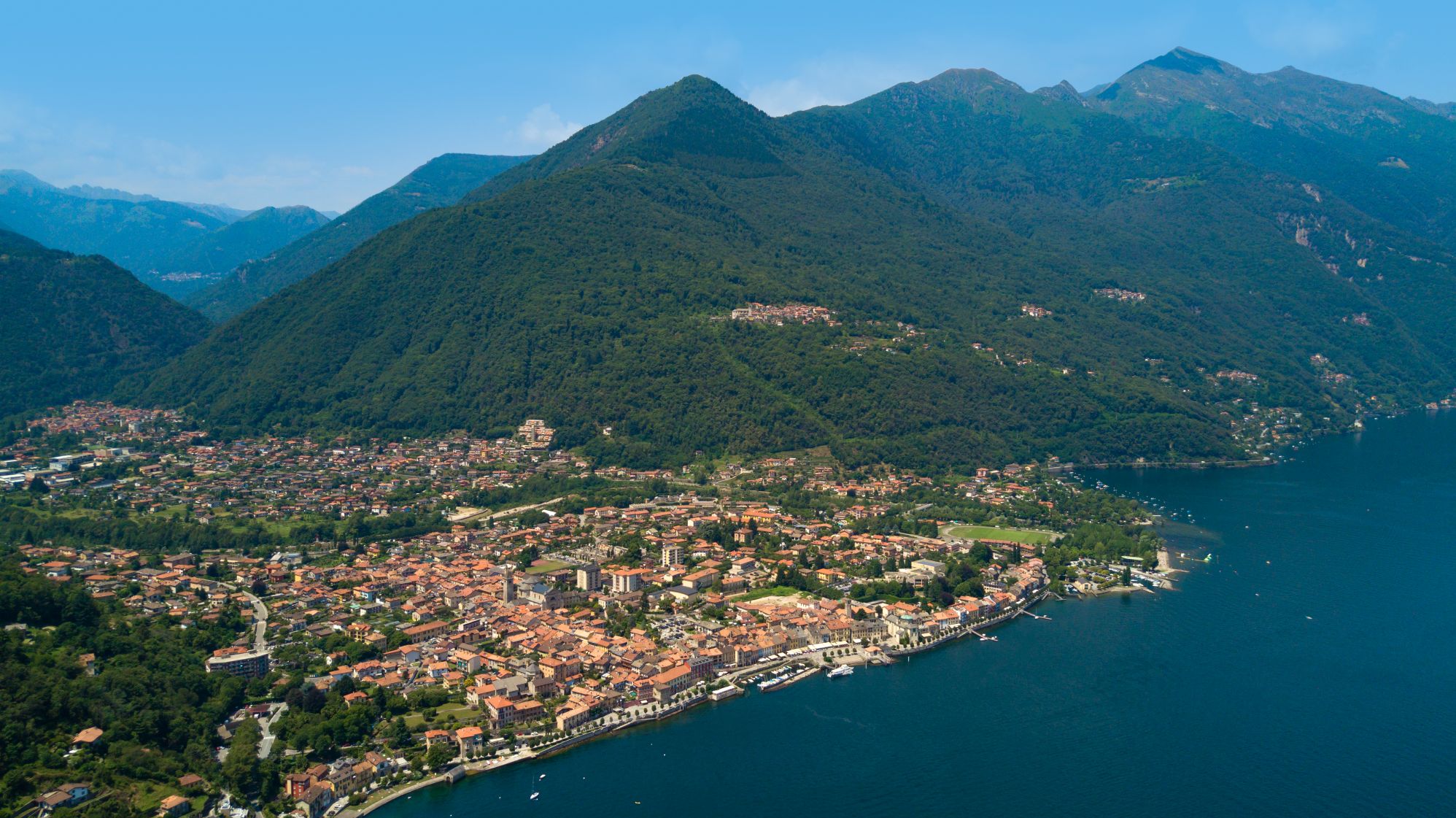
This route, albeit short, allows you to discover the village of Colloro in the Val Grande National Park and reaches the oratory of Lut where you can enjoy a marvellous panoramic view over the valley.
Furthermore, if you look southward from Colloro the sun can be seen until late and the winter resembles spring.
You start from the central square of Premosello (218 m), cycle alongside the river on the right bank looking downstream and following the road you climb through the hairpin bends up to Colloro. From the village church (dedicated to Saint Gottard) follow the signs to Alpe Lut/Val Grande taking take a very steep narrow road in the initial stretch. Then, after reaching the first stream, the slope is ago easier until you reach the turn off for the Oratorio Madonna di Lut (Oratory of Our Lady of Lut) where you arrive on a short but very steep ramp. From Colloro to Alpe Lut the road surface is tarmac but rough.
AUTOR Alessandro Pirocchi
Back to the list of routes
From the Borromean Gulf to the lower Lake Maggiore
STRESA – ARONA ROUND TRIP: BETWEEN LAKE MAGGIORE AND VERGANTE
Lago Maggiore
Route description
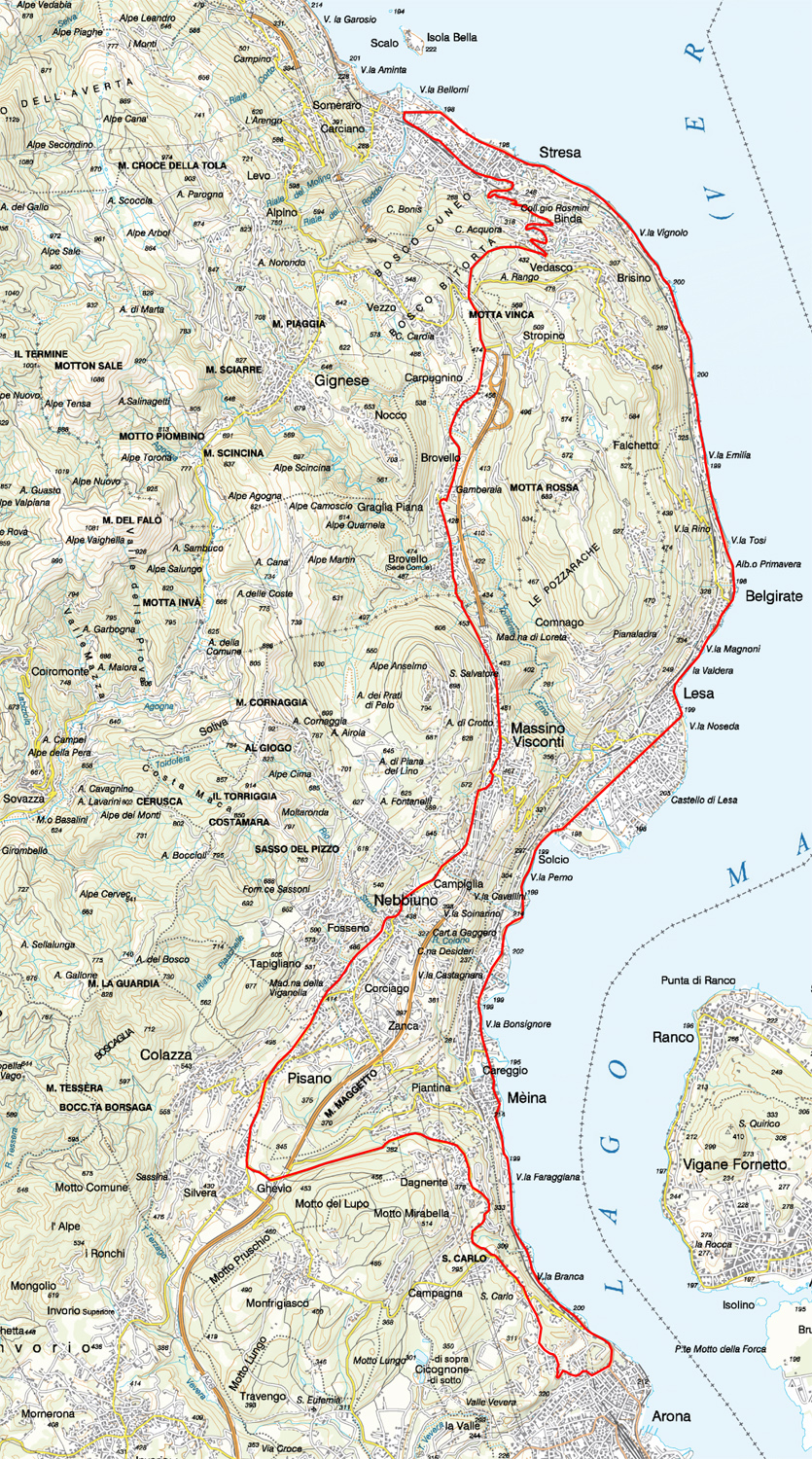
The starting point of the route is at the piazzale Lido in Stresa.
Cycle along viale Lido and then turn left into state highway 33 in the direction of Arona. There is a long flat stretch that runs along the shores of Lake Maggiore. You pass through Belgirate, Lesa and Meina and then on toward Arona.
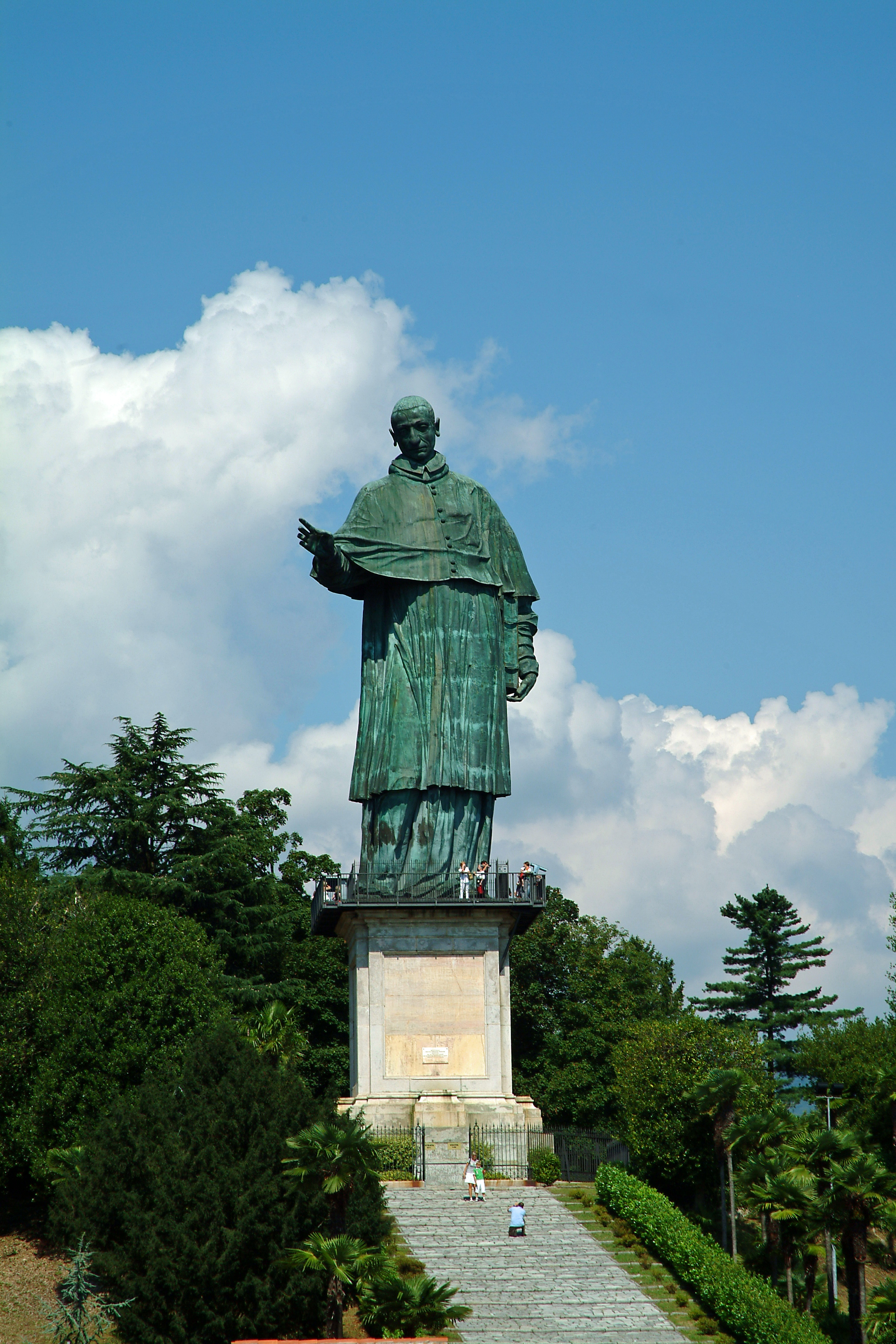
At the end of via Cantoni turn right following the signs for Dagnente, and the statue of S. Carlo. The road climbs quite steeply to the great statue of St. Charles. Continue uphill along via Verbano and at the first junction turn right. Continue climbing to the village of Dagnente. Now you descend in the direction of Ghevio, passing the A26 motorway and climbing again in via Ghevio-Dagnente and then via Meina.
At the stop sign turn right and follow the signs for Gignese. After passing through the town of Pisano the road climbs and then drops for a short distance to Nebbiuno.
Keep going on the main road passing through Massino Visconti and Brovello Carpugnino. After the on-ramp of the A26 motorway at the stop sign turn right into via Gignese and descend in the direction of Stresa through wide hairpin bends where you can enjoy a panorama Lake Maggiore.
On arriving at Stresa, near the underpass, follow the signs for the railway station and the lake. Soon after you arrive again at the beginning of viale Lido which you follow to the end of the route.
To see:Lake Maggiore and the Borromean Islands, the great statue of St. Charles Borromeo in Arona.
BIKE RENTAL:
Stresa Bike Rental
Via De Martini, 34
28838 Stresa (VB)
+39 0323 31598
www.stresabikerental.com
AUTHOR : Fabio Valeggia
Back to the list of routes
A round trip exploring the Cadorna Line
ORNAVASSO, FAITH AND MILITARY FORTIFICATIONS
Piana del Toce
Route description
SEASON Throughout the year (except in the event of recent heavy snowfall)
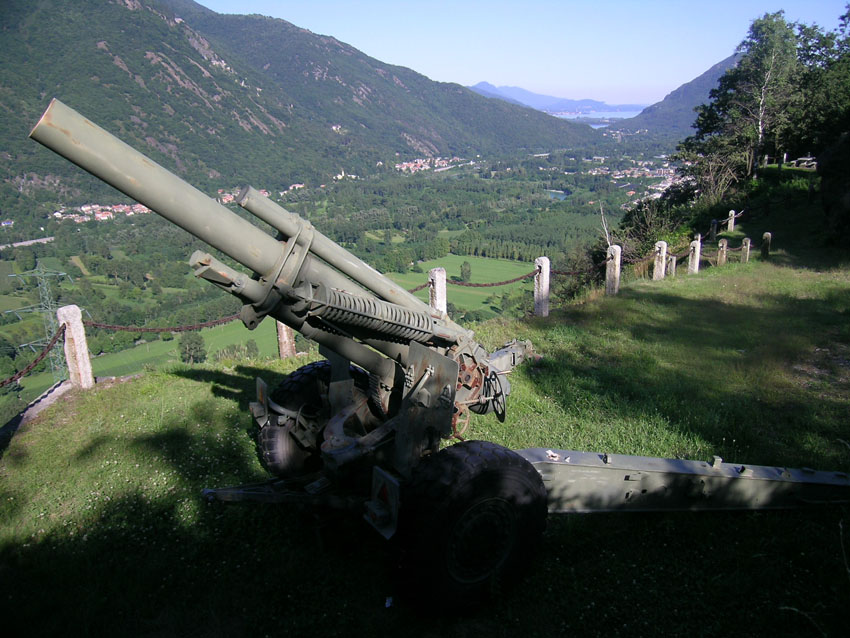
A round trip exploring the Cadorna Line, a system of military fortifications dating back to the First World War which was to defend the northern boundary of Italy with Switzerland.
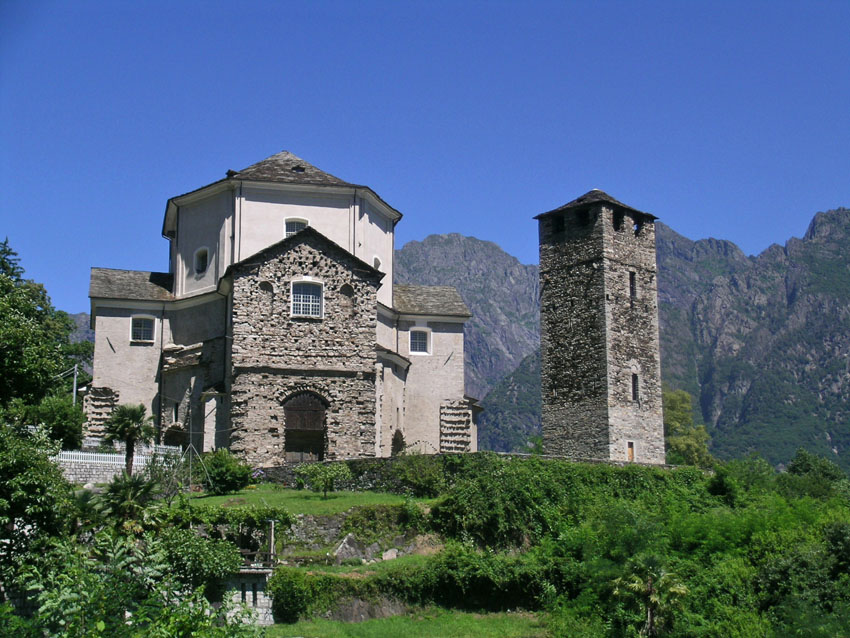
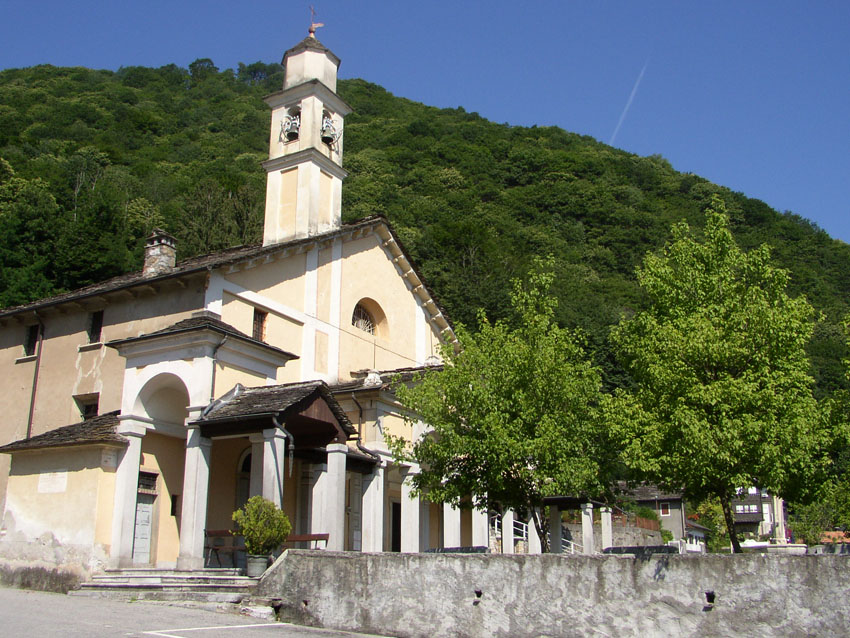
The route also includes important evidence of popular religion.
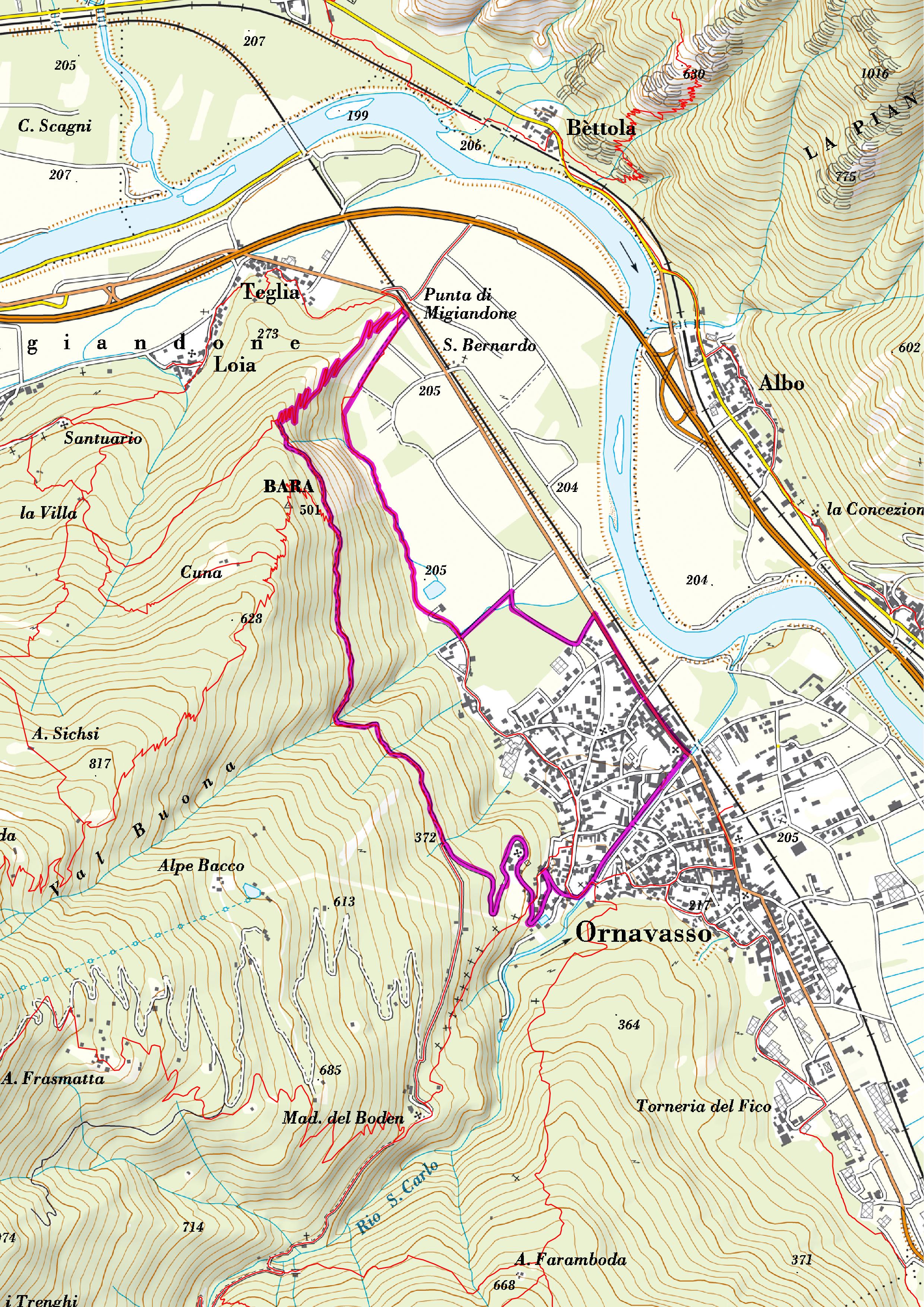
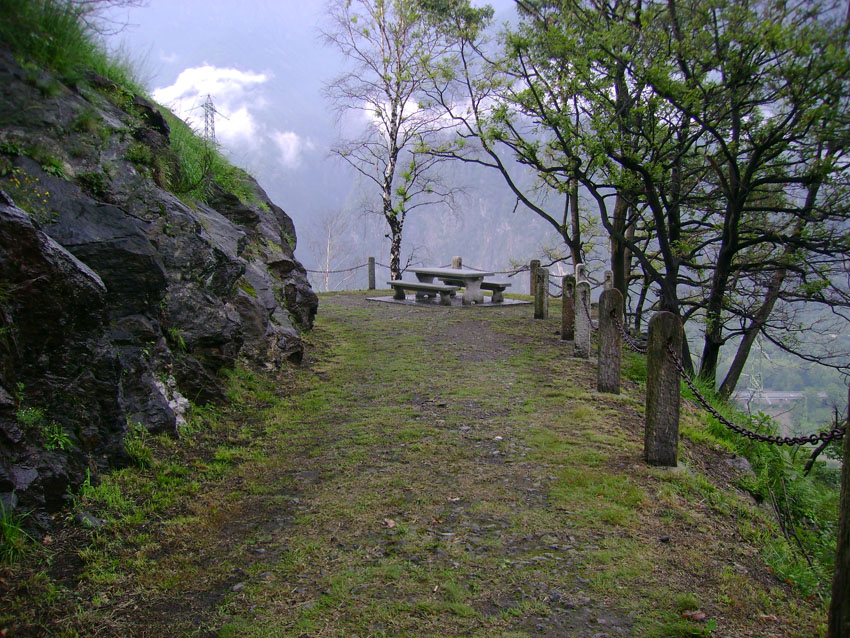
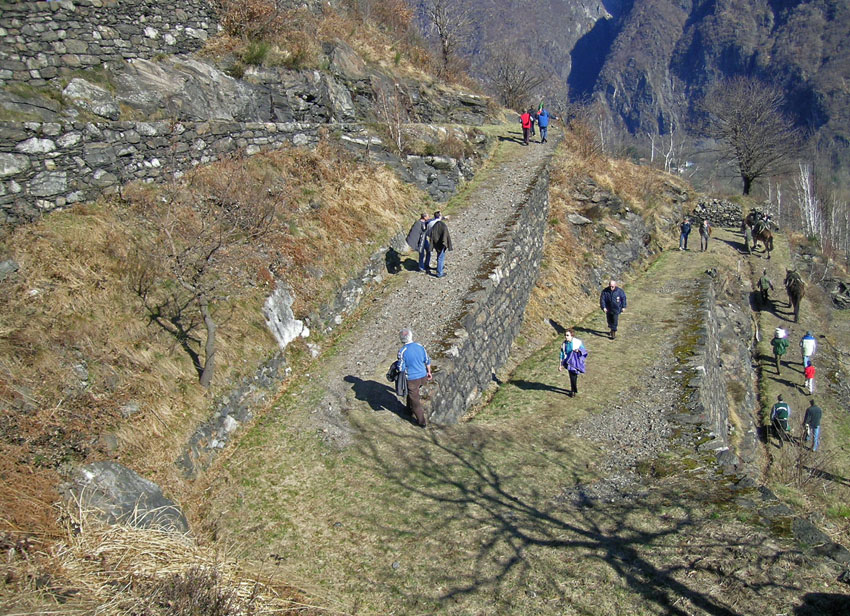
The itinerary starts in Ornavasso. Passing along the left bank of the San Carlo River looking downstream you cross the centre and come to via Gasse. At this point you begin to climb the road to the Santuario della Madonna del Boden (Sanctuary of Our Lady of Boden). After passing the beautiful parish church built with local marble, you skirt the Madonna della Guardia (Our Lady of the Watchtower) with the old tower until you reach the bend of the ancient marble quarry of Boden which provided stone for the construction of Milan Cathedral. Here the level military road, level leads to the Forte di Bara (Bara Fort), defensive works which are part of the Cadorna Line, consisting of a series of emplacements supported by stone walls and main barrier of the Stretta di Migiandone (Migiandone bottleneck), the narrowest part of the Toce valley and main access route from the lakes to passes of Ossola. From the Forte di Bara (Bara Fort) you go down the military mule track and come to the bottom of the valley in a large square which contains two large cannons. From here, along the cycle and pedestrian path, you come to the Laghetto delle Rose and then return to the centre of Ornavasso.
AUTHOR Alessandro Pirocchi
Back to the list of routes
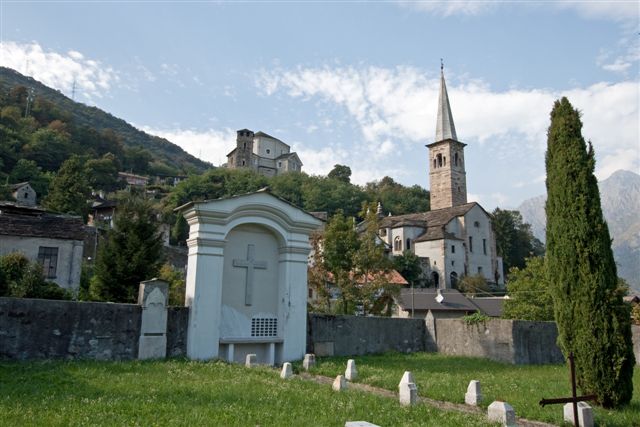
A round trip exploring the Cadorna Line
ORNAVASSO, FAITH AND MILITARY FORTIFICATIONS
Valle Bognanco
Route description
SEASON Throughout the year (except in the event of recent heavy snowfall)
A round trip exploring the Cadorna Line, a system of military fortifications dating back to the First World War which was to defend the northern boundary of Italy with Switzerland.
The route also includes important evidence of popular religion.
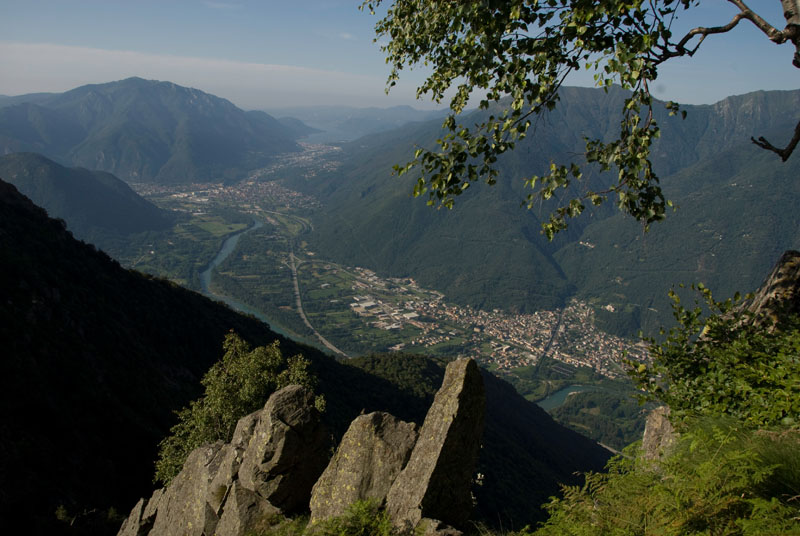
The itinerary starts in Ornavasso. Passing along the left bank of the San Carlo River looking downstream you cross the centre and come to via Gasse. At this point you begin to climb the road to the Santuario della Madonna del Boden (Sanctuary of Our Lady of Boden). After passing the beautiful parish church built with local marble, you skirt the Madonna della Guardia (Our Lady of the Watchtower) with the old tower until you reach the bend of the ancient marble quarry of Boden which provided stone for the construction of Milan Cathedral. Here the level military road, level leads to the Forte di Bara (Bara Fort), defensive works which are part of the Cadorna Line, consisting of a series of emplacements supported by stone walls and main barrier of the Stretta di Migiandone (Migiandone bottleneck), the narrowest part of the Toce valley and main access route from the lakes to passes of Ossola. From the Forte di Bara (Bara Fort) you go down the military mule track and come to the bottom of the valley in a large square which contains two large cannons. From here, along the cycle and pedestrian path, you come to the Laghetto delle Rose and then return to the centre of Ornavasso.
AUTHOR Alessandro Pirocchi
Back to the list of routes
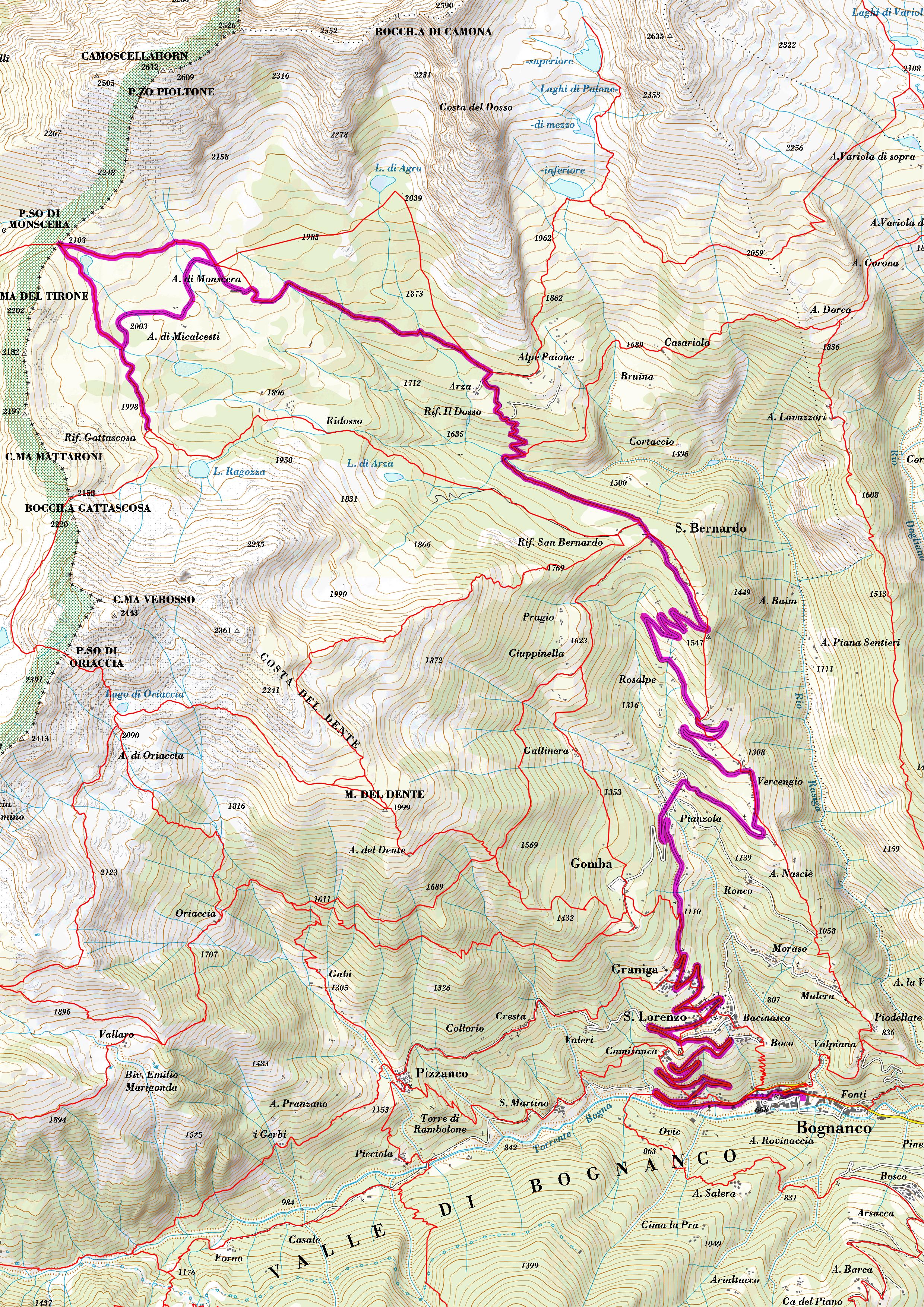
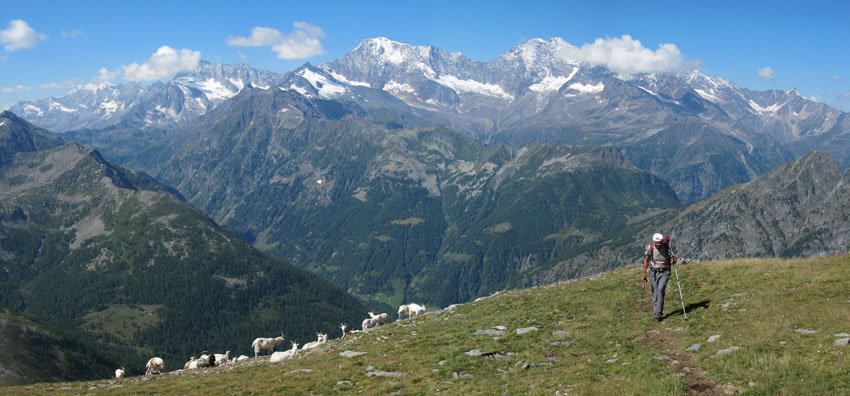
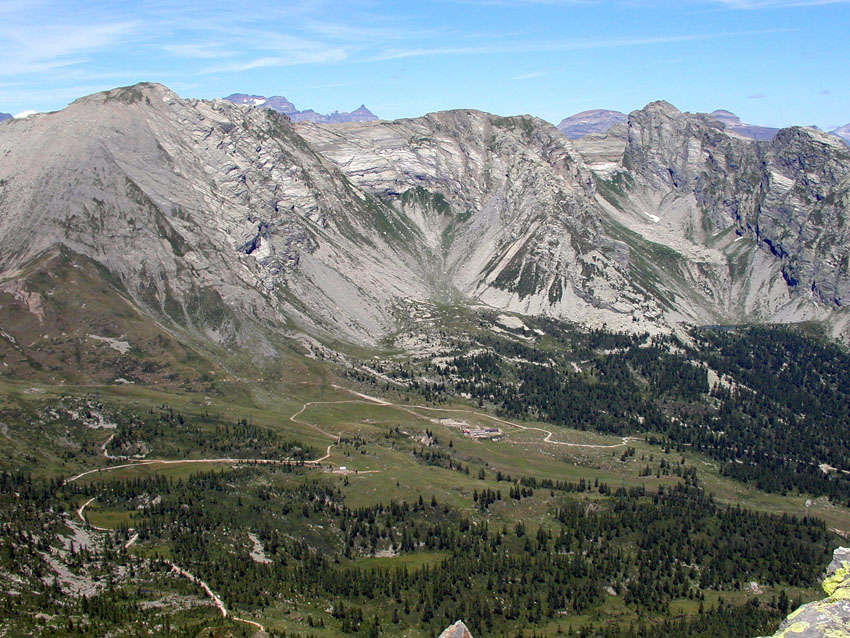
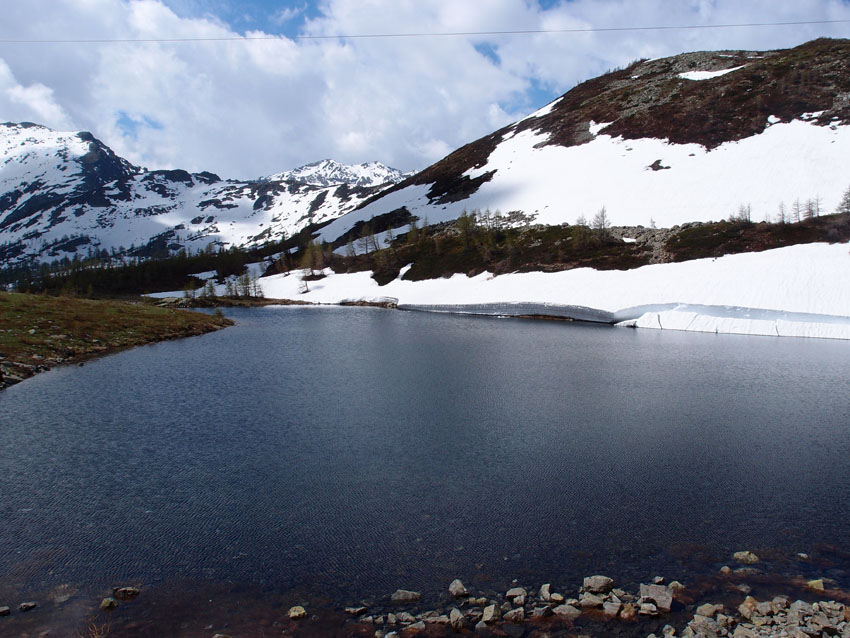
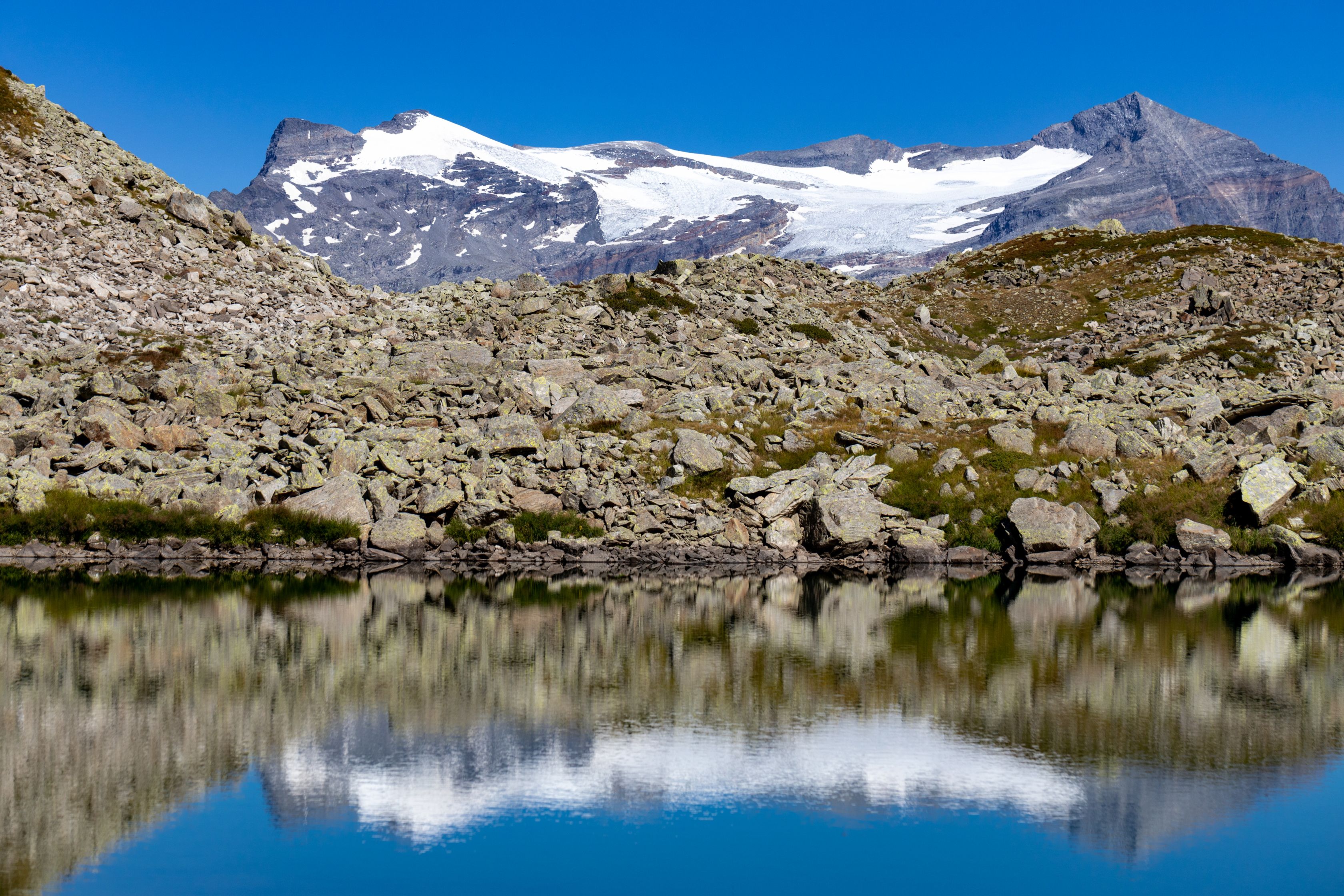
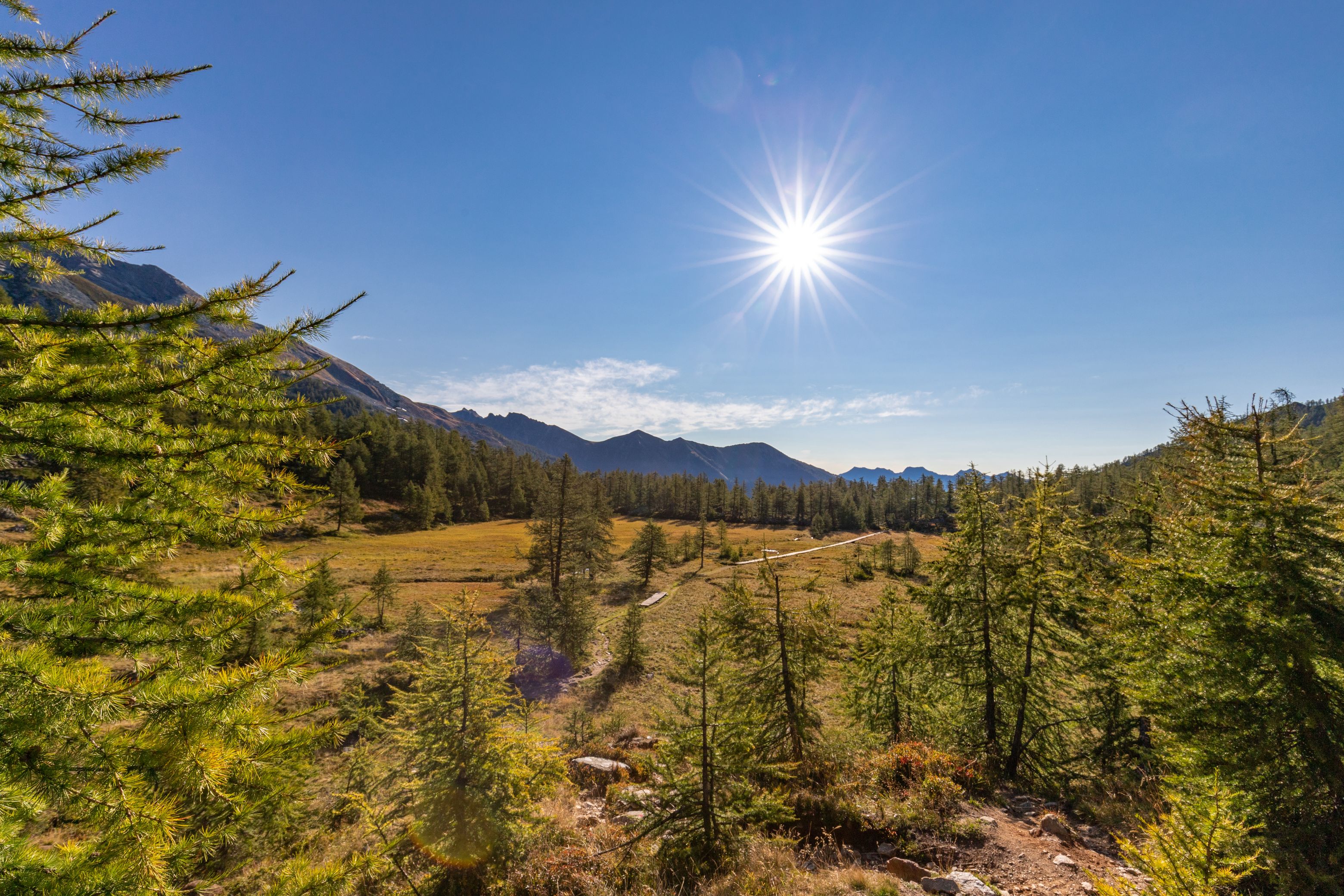
A corridor between Ossola and Ticino
VIGEZZO BY BIKE: ALPE BLIZZ
Valle Vigezzo
Route description
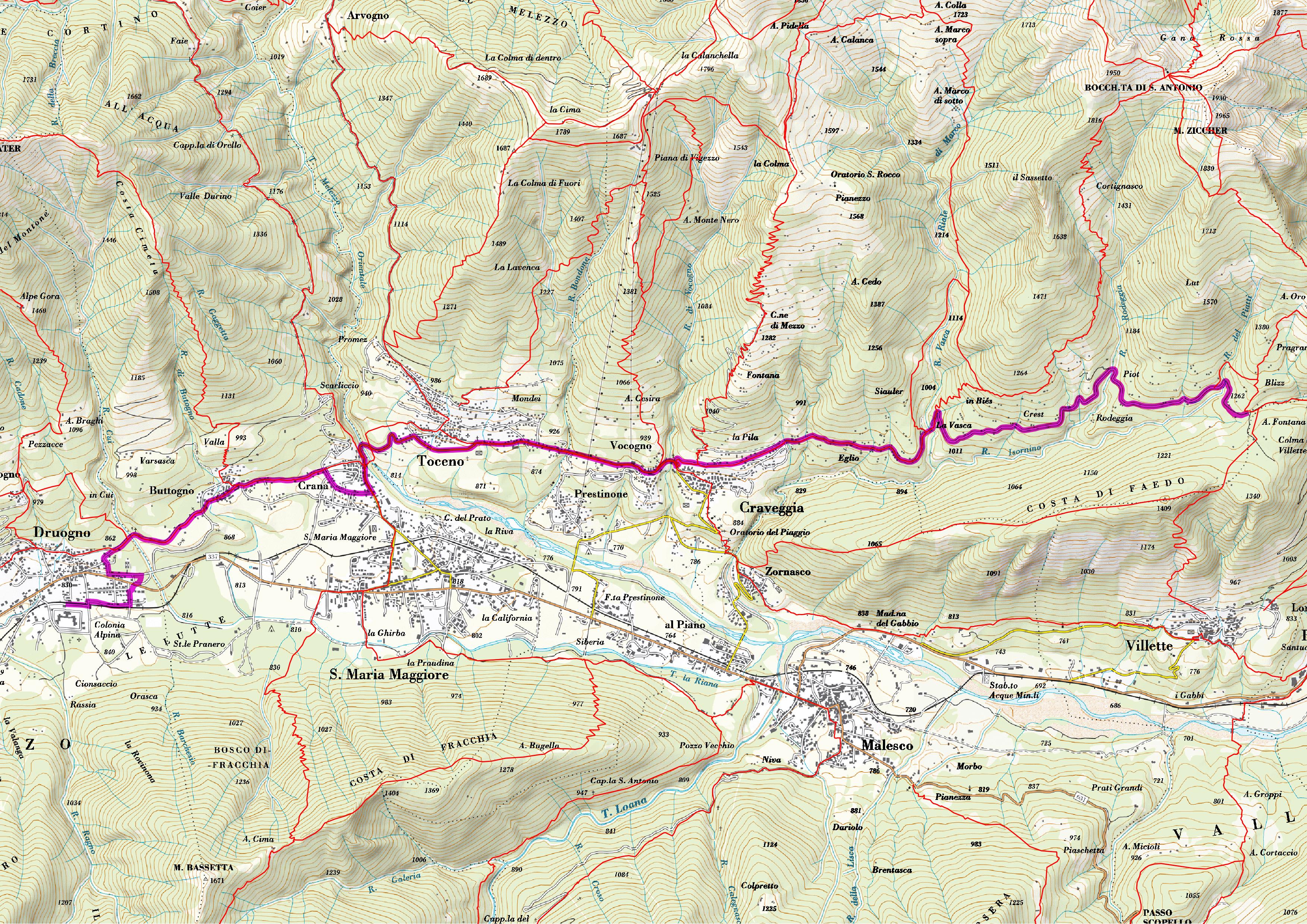
The route starts from the station of Druogno. Following the signs of route n° 2 you come to the area of the cemetery in Druogno. From here you start to climb toward Buttogno, pass the bridge over the Rio Cui and crossing extensive hay meadows you soon come to the centre of Buttogno, then after a gentle descent, the centre of Crana.
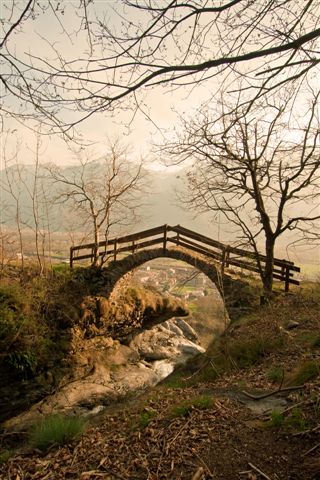
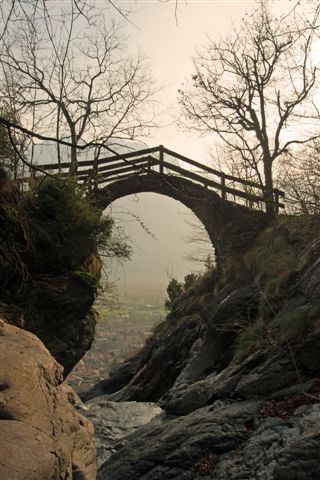
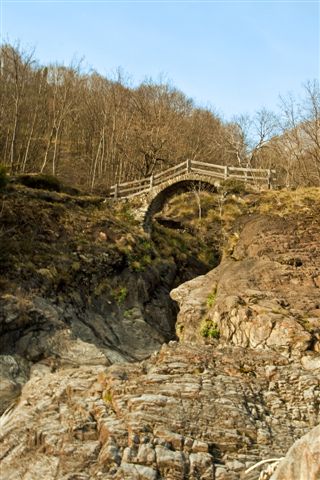
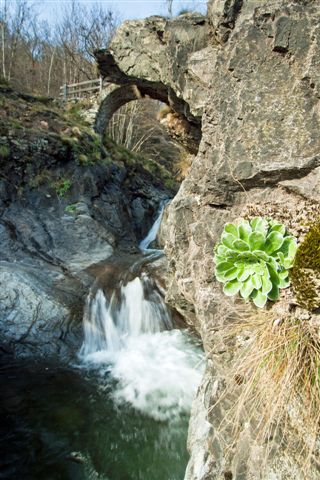
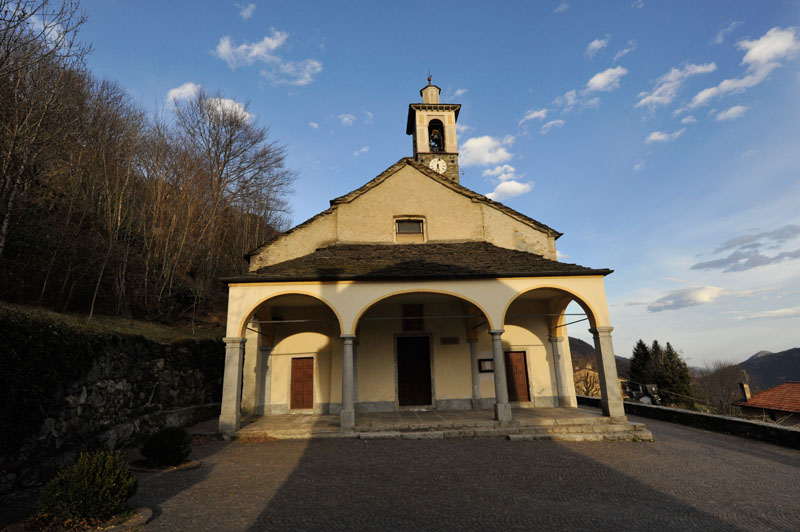
Following the signs of route 7, you cross the bridge over the Melezzo Orientale and climb again toward Toceno, then cross wide clearings and continue on almost level ground to Vocogno, with a beautiful panoramic view of the valley floor. From Vocogno you soon cone to Craveggia and the beautiful square of the church. Return to the beginning of the village and take a road on the right for Blizz that bypasses the village and goes halfway up the hill passing by Eglio, La Vasca (a beautiful stone bridge over the Rio Vasca) and Crest.
The path ends at an altitude of 1230 m at the Alpe Blizz Refuge.
BIKE SERVICE
Soc. Piana di Vigezzo, Via Carlo Fornara Pittore No. 13 28852 Prestinone VB Tel. +39 351 6333560 info@pianadivigezzo.it.
Activities: Bike rental, Bike School, guide service
• At the start of the gondola, go from Prestinone up to the Piana di Vigezzo.
• At the Piana Shop – on Via Cavalli, 16 in Santa Maria Maggiore
• At the Road Education Park in Druogno, Via Garibaldi
Back to the list of routes