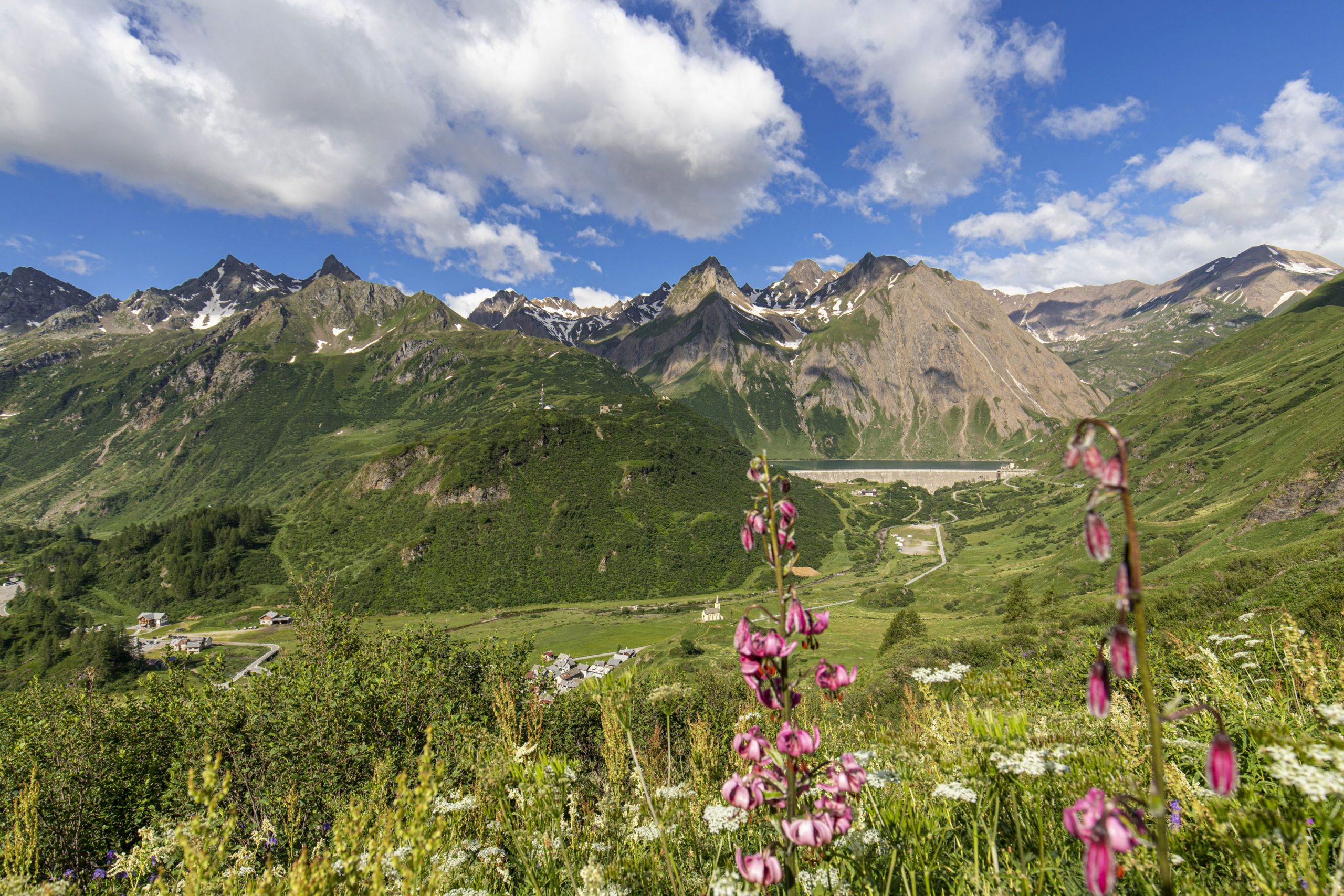
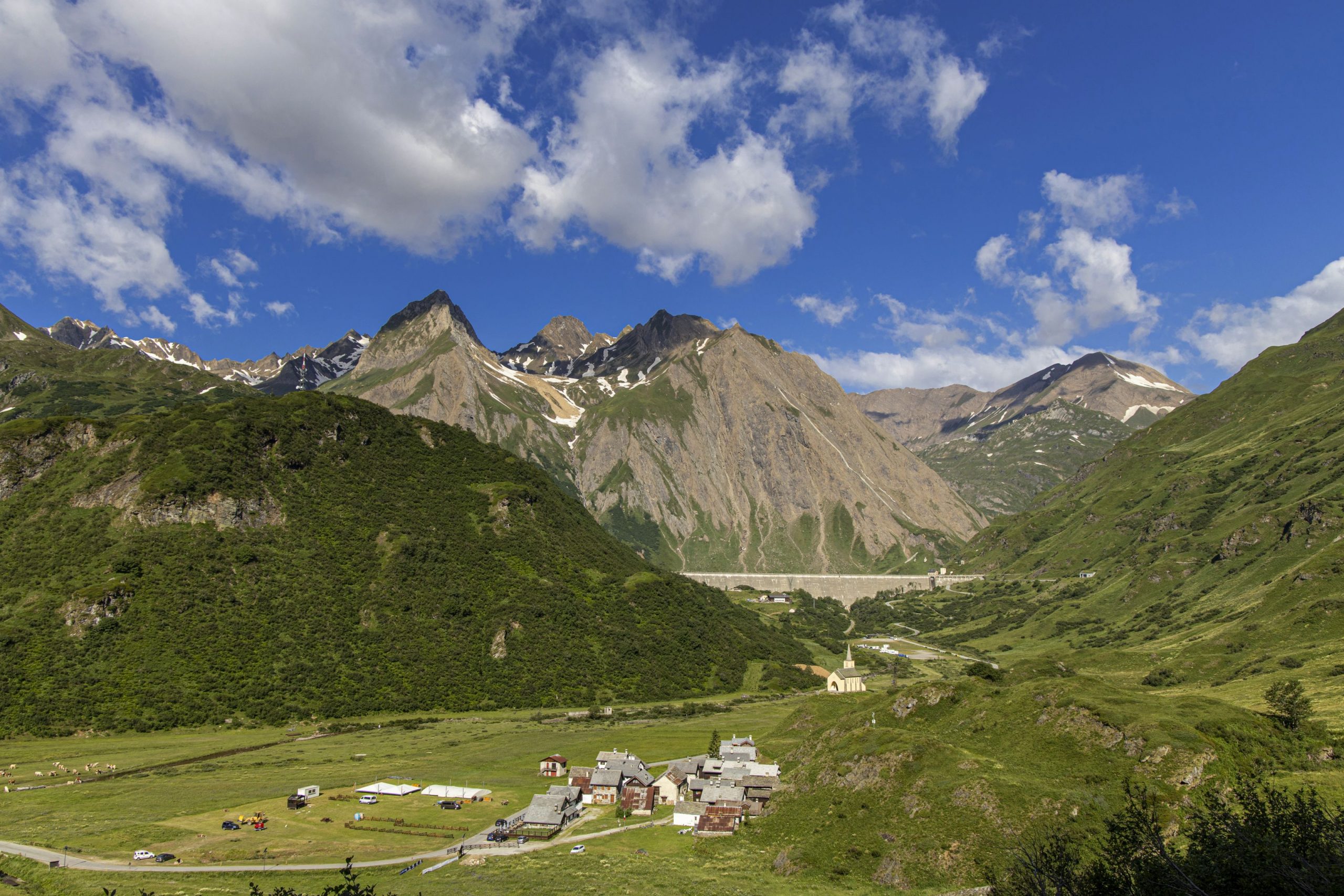
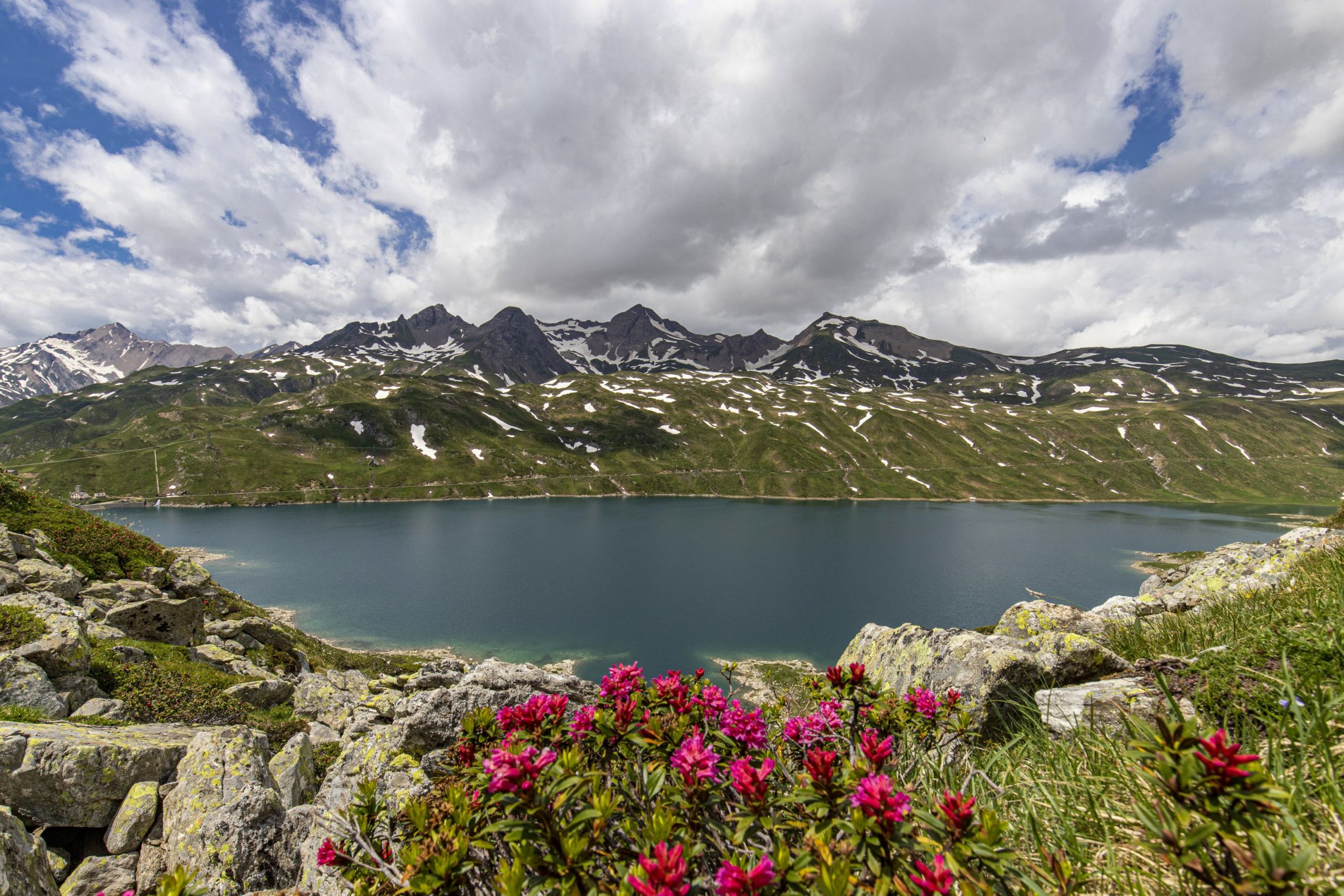
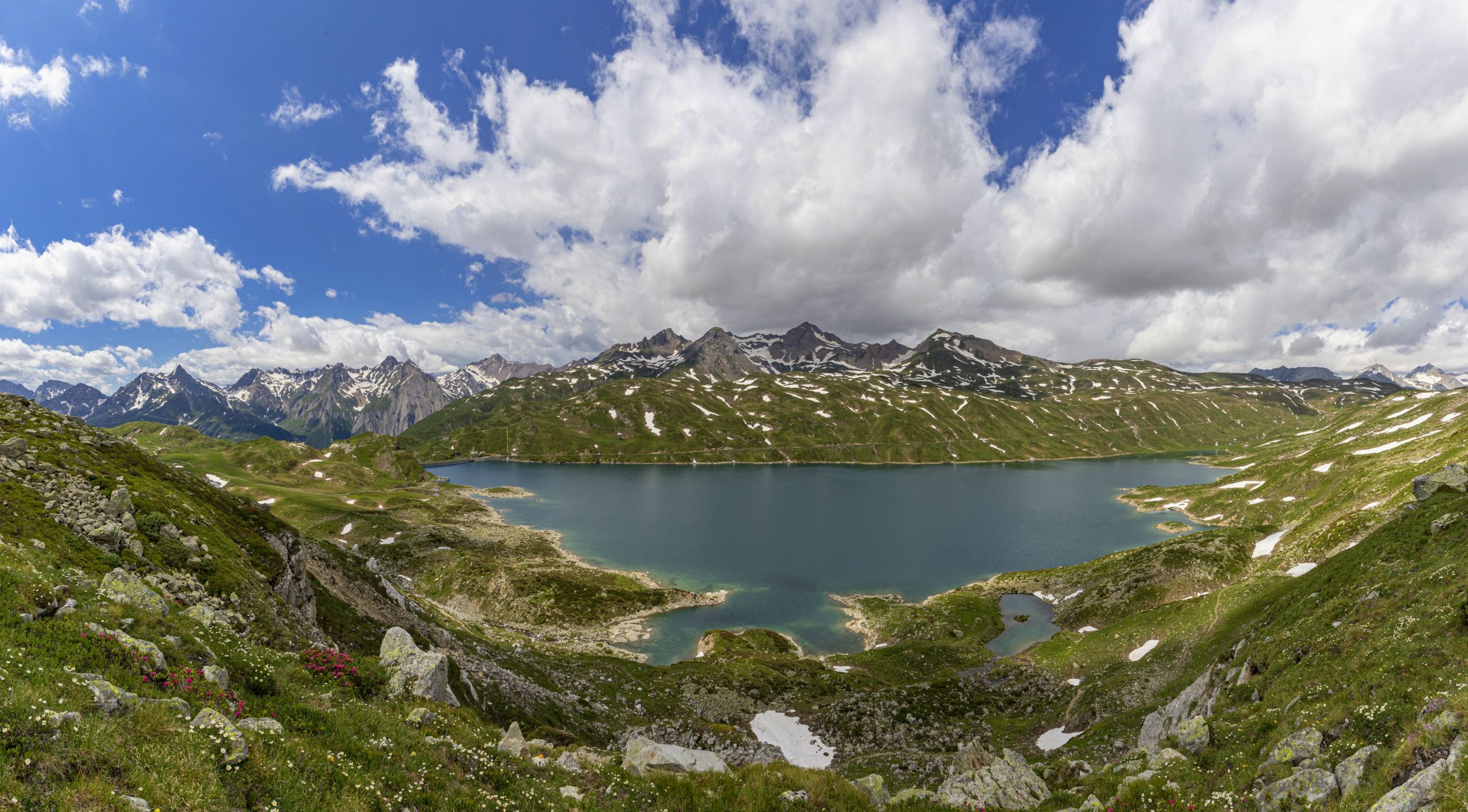
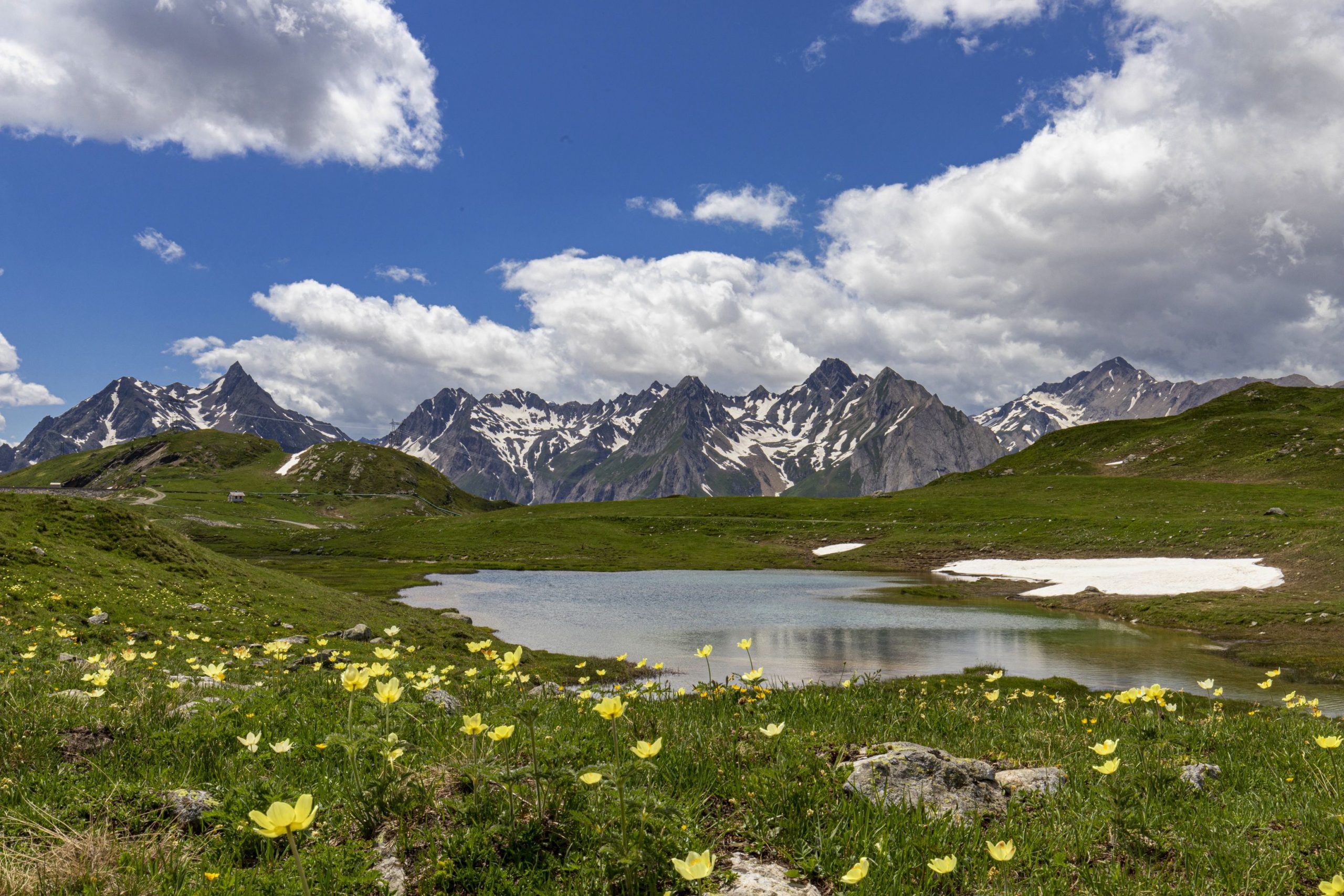
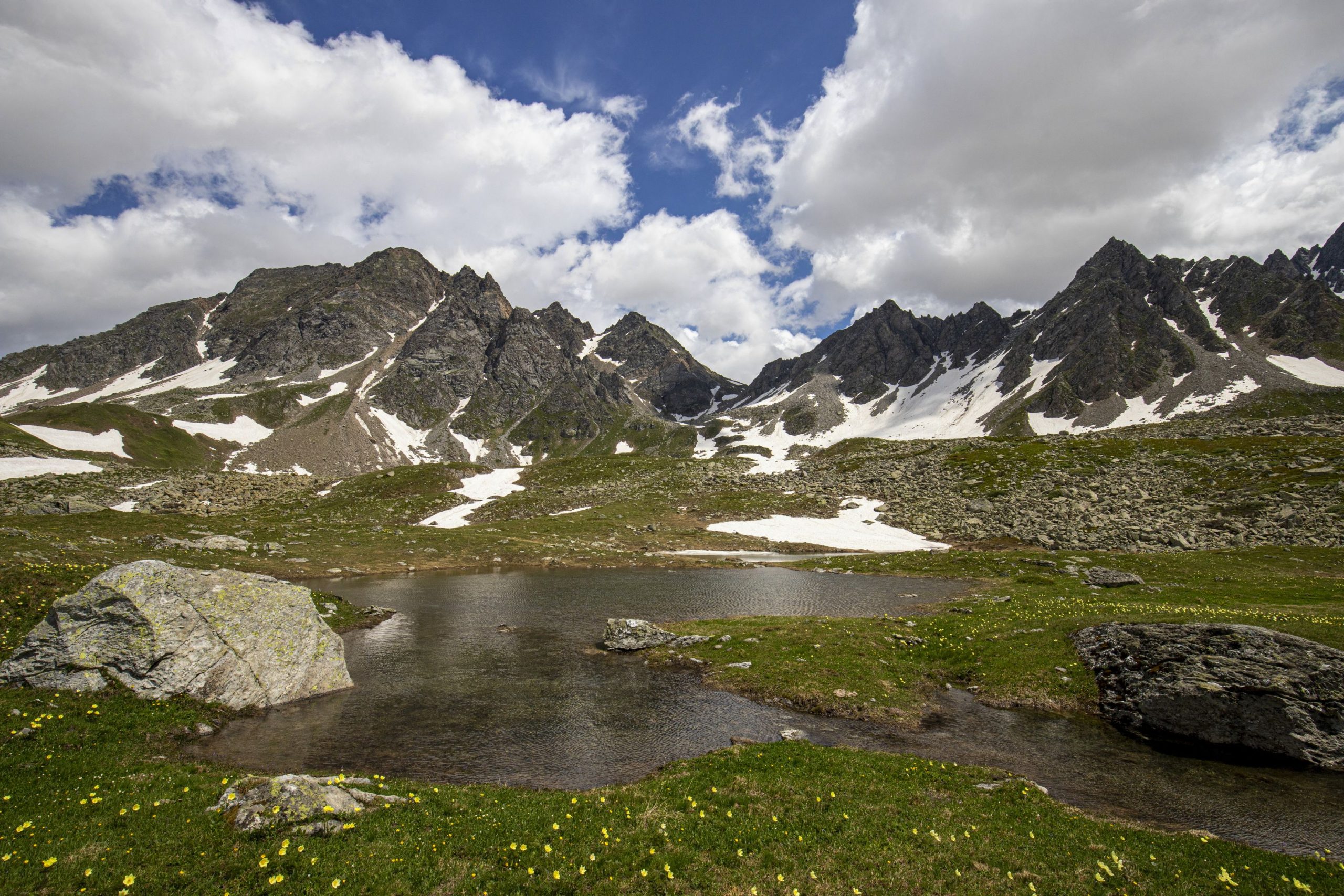
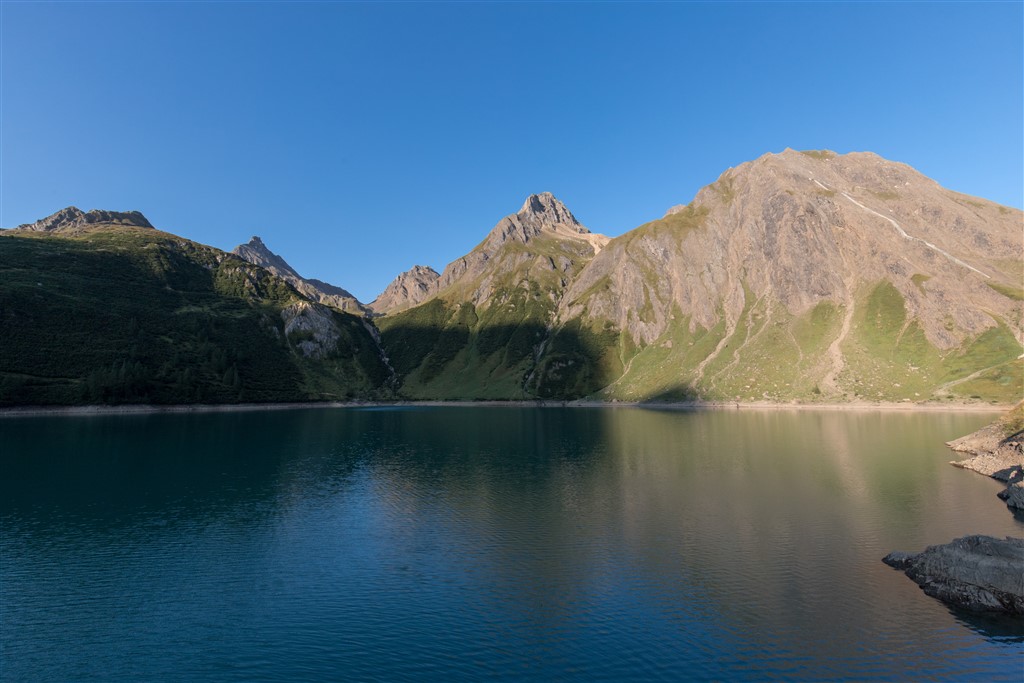
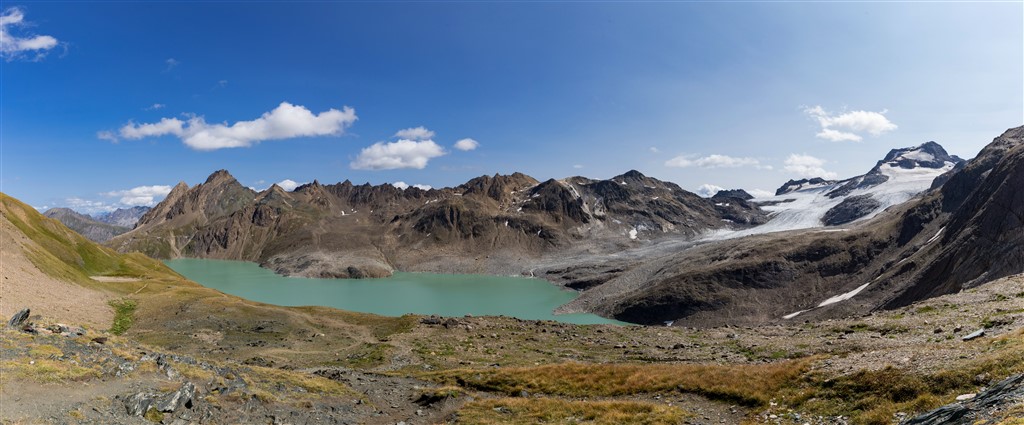
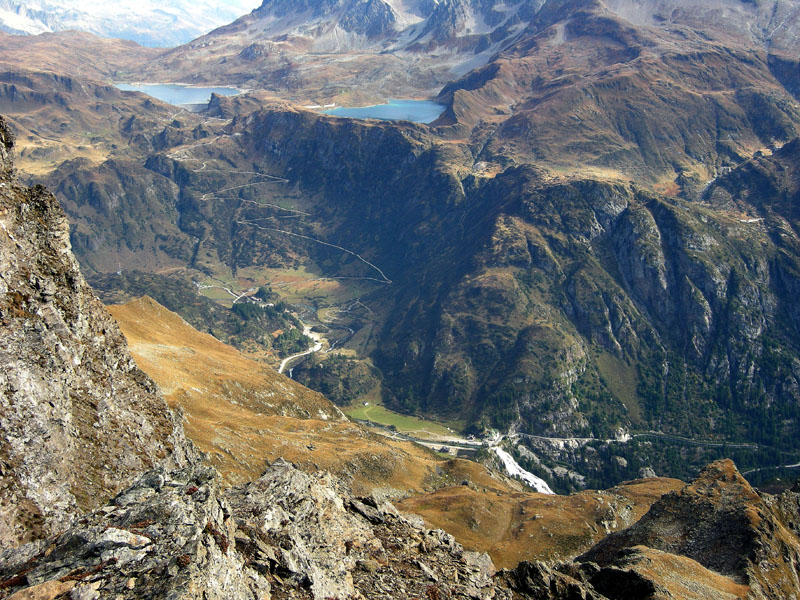
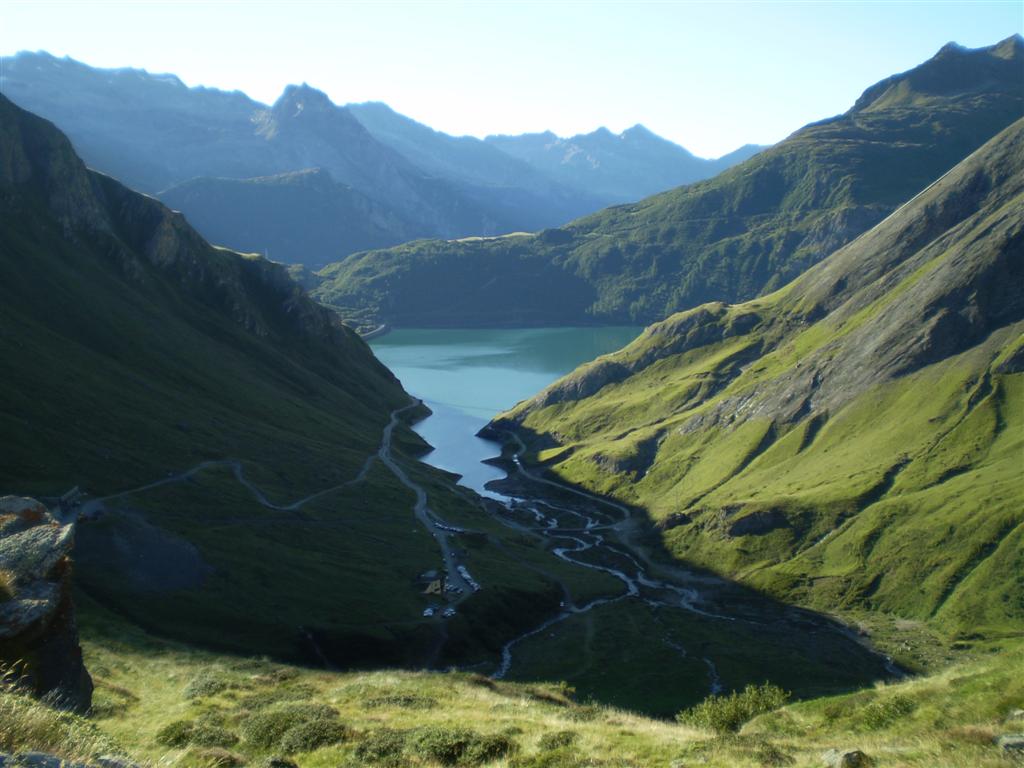
THE GRIES PASS, AT 2479 M A.S.L. BETWEEN VAL FORMAZZA AND UPPER VALAIS
VIA DELLO SBRINZ – VIA DEL GRIES
Valle Formazza
Route description
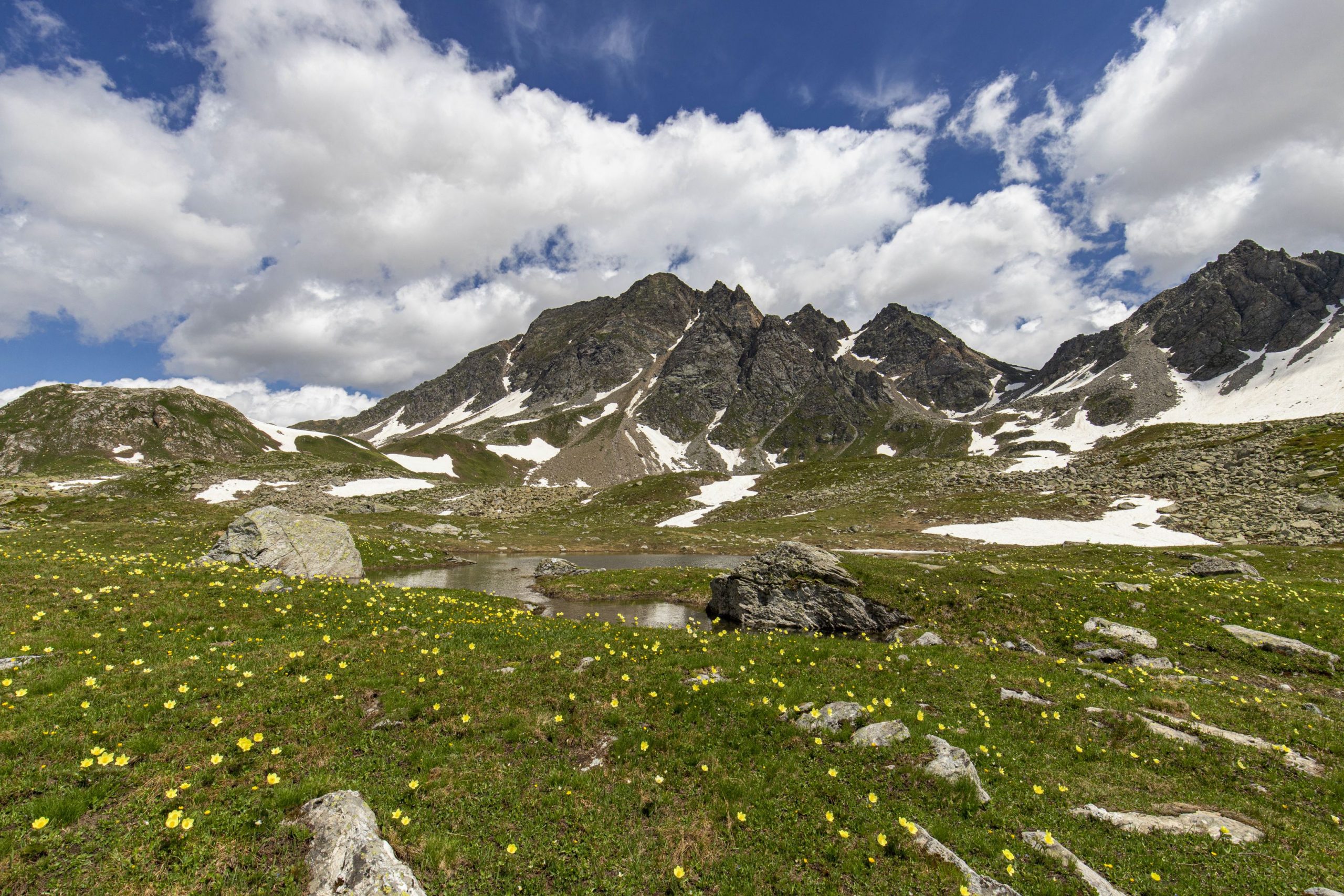
For five centuries, the Gries Pass, at an altitude of 2479 m above sea level, between Val Formazza and Upper Valais, has represented the most direct route between the Lombardy Plain and central Switzerland. From Milan to Bern, from the Mediterranean to central Europe’s plains, people, goods, and ideas passed through the Gries Pass. It was a commercial road, a caravan route crossed by long lines of mules loaded with goods. From the north, cattle, hides, and cheeses (the “sbrinz” of the Bernese Oberland) were brought down, and luxury products such as the precious crystals processed by the monks of Engelberg for the Italian courts. From the south, the fabrics and silks of Lombardy and above all the wine from Ossola, were exported to the French court.
On August 12, 1397, in Munster, the capital of Goms and birthplace of the Walsers, representatives of Ossola and Val Formazza met with those of the city of Bern, the Abbey of Interlaken, the communities of Hasli and Goms to sign an agreement that could guarantee the common commitment to the opening of a trade route between Milan and Bern. A great road in the heart of Europe: 600 years ago. The agreement included constructing and maintaining a road from Grimsel to Ossola through the Gries Pass to facilitate trade between the north and the Lombardy region. Everyone was committed to the proper maintenance and monitoring of the road network for the stretch of their competence: the people of Bern up to the Grimsel Pass, where a hospice was to be built in those years; the people of Munster from Grimsel to Gries and the people from Formazza up to the pass. The regulations regarding the duties to be collected and the security of the transit that each community had to provide were also established.
The process of recovery of the historical memory and the spirit of collaboration still alive among the mountain populations on both sides of the border contributed to the recent reassessment of this ancient Historical Route: the Via del Gries became part of one of the 12 Cultural Routes of National Interest in Switzerland in 2002. The itinerary is called “Via Sbrinz” or “Sbrinz Route”, a journey in seven stops from Lucerne to Domodossola for those who, slowly, want to rediscover the emotion of walking on the paths of history.
Every summer, as a historical reenactment, the route is traveled by a caravan of mules and goods (www.sbrinz-route.ch)
Except for the Gries Pass section, the Via del Gries runs mainly along the valley floor, through the towns, and close to the main road (SS659). The many accommodations and hospitality venues available along the Valley allow choosing the stops’ length according to each traveler’s fitness level. From Crevoladossola to Ulrichen, it is common to plan a minimum of three stops. But for those who want to walk slowly, discovering the natural, historical, and cultural wonders of the Valley, we recommend splitting the journey into four stops.
Info and stops: https://www.piemonteoutdoor.it/it/attivita/escursionismo/dello-sbrinz-del-gries
Back to the list of routes
DER GRIESPASS, AUF EINER HÖHE VON 2479 M ZWISCHEN DEM FORMAZZA TAL UND OBERWALLIS
SBRINZSTRASSE – GRIESSTRASSE
Valle Formazza
Route description
Fünf Jahrhunderte lang war der Griespass auf 2479 m zwischen dem Formazza Tal und dem Oberwallis die direkteste Verbindung zwischen der Lombardei und der Zentralschweiz. Von Mailand bis Bern, vom Mittelmeer bis in nach Mitteleuropa zogen Menschen, Waren und Ideen über den Gries. Es war eine Handelsstraße, eine Karawanenroute, die von langen, mit Waren beladenen Maultierkolonnen verwendet wurde. Aus dem Norden kamen Rinder, Felle und Käse (z.B. der „Sbrinz” —ein Hartkäse — aus dem Berner Oberland), aber auch Luxusgüter wie kostbare Kristalle, die von den Engelberger Mönchen für die italienischen Höfe hergestellt wurden. Aus dem Süden kamen Tuch und Seide aus der Lombardei und vor allem der Wein von der Ossola, der bis an den französischen Hof exportiert wurde.
Am 12. August 1397 trafen sich in Münster, der Hauptstadt des Goms, der Heimat der Walser, die Vertreter von Ossola und des Formazza Tal mit jenen der Stadt Bern, der Abtei Interlaken, der Gemeinden Hasli und Goms, um eine Konvention zu unterzeichnen, die das gemeinsame Engagement bei der Eröffnung eines Handelsweges zwischen Mailand und Bern garantierte. Eine tolle Straße im Herzen Europas: Vor 600 Jahren. Der Vertrag sah den Bau und die Instandhaltung einer Straße von der Grimsel über Gries nach Ossola vor, um den Handel zwischen dem Norden und der Lombardei stark zu fördern. Jeder war an der Instandhaltung und Kontrolle des Straßennetzes für sein Gebiet beteiligt: die Berner waren für den Teil bis zum Grimselpass verantwortlich, wo in jenen Jahren ein Hospiz gebaut wurde, die Münsterer von der Grimsel bis zum Gries, und die Bewohner von Formazza bis zum Pass. Es wurden auch Regeln für die zu erhebenden Abgaben und die Sicherheit des Transits festgelegt, die jede Gemeinde zu gewährleisten hatte.
Die Aufarbeitung der Geschichte und der Geist der Zusammenarbeit, der unter der Bergbevölkerung auf beiden Seiten der Grenze immer noch lebendig ist, haben dazu beigetragen, dass dieser alte historische Weg in jüngster Zeit wieder aufgewertet wurde: Die Griesstrasse wurde 2002 in die Liste der 12 Kulturwege von nationalem Interesse in der Schweiz aufgenommen. Die Route heißt „Via Sbrinz” oder „Sbrinz-Route”. Dabei handelt es sich um eine Route in sieben Etappen von Luzern nach Domodossola für diejenigen, die das Gefühl des Wanderns auf den Pfaden der Geschichte mit einem ruhigen Tempo wiederentdecken wollen.
Jeden Sommer wird die Route zum historischen Gedenken von einer Karawane aus Maultieren und Waren zurückgelegt (www.sbrinz-route.ch)
Die Route der Griesstrasse verläuft, mit Ausnahme des Abschnitts über den Griespass, hauptsächlich im Tal, durch die Ortschaften und in der Nähe des Hauptstraßennetzes (SS659). Die zahlreichen Unterkunfts- und Verpflegungsmöglichkeiten entlang des Tals ermöglichen es Ihnen, je nach Ihrer eigenen Vorbereitung, die Länge der Etappen selbst zu wählen. . Von Crevoladossola nach Ulrichen sollten Sie mindestens 3 Etappen einplanen. Aber für diejenigen, die langsam wandern und dabei die natürlichen, historischen und kulturellen Wunder des Tals entdecken wollen, empfehlen wir die Wanderung in 4 Etappen.
Infos und Etappen: https://www.piemonteoutdoor.it/it/attivita/escursionismo/dello-sbrinz-del-gries
Back to the list of routes
LE COL DU GRIES, À 2 479 M D’ALTITUDE, ENTRE LA VAL FORMAZZA ET LE HAUT-VALAIS
SENTIER DU SBRINZ – SENTIER DU GRIES
Valle Formazza
Route description
Pendant cinq siècles, le col du Gries, à 2 479 m d’altitude, entre la Val Formazza et le Haut-Valais, a été la voie la plus directe entre la plaine lombarde et la Suisse centrale. De Milan à Berne, de la Méditerranée aux plaines d’Europe centrale, les hommes, les marchandises et les idées passaient par le Gries. C’était une route commerciale, un itinéraire de caravanes parcouru par de longues files de mules chargées de marchandises. Du nord descendaient le bétail, les peaux et les fromages (le « sbrinz » de l’Oberland bernois), tout comme les produits de luxe tels que les cristaux précieux fabriqués par les moines d’Engelberg destinés aux cours italiennes. Du sud remontaient les vêtements et les soies de la Lombardie et surtout le vin de l’Ossola, exporté jusqu’à la cour de France.
Le 12 août 1397, à Munster, chef-lieu du Goms, patrie d’origine des Walser, les représentants de l’Ossola et de la Val Formazza rencontrèrent ceux de la ville de Berne, de l’abbaye d’Interlaken, des communautés de Hasli et du Goms pour signer une convention qui garantissait l’engagement commun à l’ouverture d’une route commerciale entre Milan et Berne. Une grande route au cœur de l’Europe : Il y a 600 ans. Le contrat prévoyait la construction et l’entretien d’une route qui de Grimsel, en passant par le Gries, parvenait à l’Ossola afin de promouvoir spécialement le commerce entre le nord et la Lombardie. Chacun s’engagea à bien entretenir et contrôler le réseau routier de sa région : les Bernois jusqu’au col du Grimsel, où un hospice devait être construit dans ces années-là, les hommes de Munster du Grimsel au Gries, et les habitants de la Val Formazza jusqu’au col. Des règles furent dictées concernant les droits à percevoir et la sécurité du transit que chaque communauté devait assurer.
Le processus de récupération de la mémoire historique et l’esprit de collaboration encore vivant parmi les populations de montagne des deux côtés de la frontière, ont contribué à la récente revalorisation de cet ancien itinéraire historique : le sentier du Gries a été intégré à l’un des 12 itinéraires culturels d’intérêt national en Suisse en 2002.L’itinéraire s’appelle « Via Sbrinz » ou « Route de Sbrinz », un voyage en sept étapes de Lucerne à Domodossola pour ceux qui, à un rythme lent, veulent redécouvrir l’émotion de marcher sur les chemins de l’histoire.
Chaque été, dans le cadre de la commémoration historique, une caravane de mules et de marchandises effectue le parcours (www.sbrinz-route.ch).
À l’exception du tronçon passant par le col du Gries, le sentier du Gries serpente principalement au fond de la vallée, en passant par les communes et à proximité de la route principale (SS659).Les nombreuses possibilités d’hébergement et de restauration le long de la vallée vous permettent de choisir la durée des étapes en fonction de votre niveau de préparation. De Crevoladossola à Ulrichen, il est courant de prévoir un minimum de 3 étapes. Mais pour ceux qui veulent marcher plus lentement, découvrir les merveilles naturelles, historiques et culturelles de la vallée, il est conseillé de faire la randonnée en 4 étapes.
Infos et étapes : https://www.piemonteoutdoor.it/it/attivita/escursionismo/dello-sbrinz-del-gries
Back to the list of routes
Il Passo del Gries, a 2479 m di quota tra la Val Formazza e l’Alto Vallese
VIA DELLO SBRINZ – VIA DEL GRIES
Valle Formazza
Route description
Il Passo del Gries, a 2479 m di quota tra la Val Formazza e l’Alto Vallese, costituì per cinque secoli la via più diretta fra la pianura lombarda e la Svizzera centrale. Da Milano a Berna, dal Mediterraneo alle pianure dell’Europa centrale, attraverso il Gries transitarono uomini, merci, idee. Fu una strada commerciale, una carovaniera percorsa da lunghe file di muli carichi di merci. Da nord scendevano bestiame, pelli e formaggi (lo “sbrinz” dell’Oberland Bernese), ma anche prodotti di lusso come i preziosi cristalli lavorati dai monaci di Engelberg destinati alle corti italiane. Da sud salivano i panni e le sete lombarde e soprattutto il vino dell’Ossola, esportato fino alla corte di Francia.
Il 12 agosto 1397, a Munster, capoluogo del Goms, patria d’origine dei Walser, si riunirono i rappresentanti dell’Ossola e della Val Formazza con quelli della città di Berna, dell’Abbazia di Interlaken, delle comunità dell’Hasli e del Goms per firmare una convenzione che garantisse il comune impegno nell’apertura di una strada commerciale tra Milano e Berna. Una grande via nel cuore dell’Europa: 600 anni fa. Il contratto prevedeva la costruzione e la manutenzione di una strada che dal Grimsel, attraverso il Gries, giungesse in Ossola per favorire particolarmente i commerci tra il nord e la Lombardia. Ognuno si impegnava nella buona tenuta e il controllo della viabilità per la propria zona: i bernesi sino al passo del Grimsel, dove proprio in quegli anni sorgerà un ospizio, gli uomini di Munster dal Grimsel al Gries, e i formazzini sino al passo. Furono dettate anche le norme relative ai dazi da riscuotere, e la sicurezza del transito che ogni comunità doveva fornire.
Il processo di recupero della memoria storica e lo spirito di collaborazione ancora vivo tra le popolazioni di montagna di qua e di la della frontiera, hanno contribuito alla recente rivalutazione di questa antica Via Storica: la Via del Gries è entrata a far parte dal 2002 di uno dei 12 Itinerari Culturali di interesse nazionale della Svizzera. L’itinerario si chiama “Via Sbrinz” o “Sbrinz Route”, un viaggio in sette tappe da Lucerna a Domodossola per chi, a passo lento, vuole riscoprire l’emozione di camminare sui sentieri della storia.
Ogni estate, come rievocazione storica, l’itinerario viene percorso da una carovana di muli e merci (www.sbrinz-route.ch)
Il percorso della Via del Gries, tranne il tratto del passo del Gries, si snoda prevalentemente in fondovalle, attraverso i centri abitati e in prossimità della viabilità principale (SS659). Le numerose possibilità di alloggio e ristorazione lungo la valle consente di scegliere la lunghezza delle tappe a seconda del proprio livello di preparazione. Da Crevoladossola a Ulrichen bisogna comune prevedere un minimo di 3 tappe. Ma per chi vuole camminare con lentezza, alla scoperta delle meraviglie naturali, storiche e culturali della valle si consiglia di effettuare il cammino in 4 tappe.
Info e tappe: https://www.piemonteoutdoor.it/it/attivita/escursionismo/dello-sbrinz-del-gries
Back to the list of routes